Diy Piezo Speaker Tips for Best Sound Quality Improvements?
Creating a high-quality sound experience with a DIY piezo speaker is an engaging project. Many enthusiasts have found ways to improve sound quality. Yet, achieving desired results can be challenging. Different techniques yield varied outcomes.
Understanding the basics of DIY piezo speakers is essential. These speakers work on the principle of piezoelectricity. They can be more affordable than traditional speakers. However, their sound quality often lacks depth and richness. Experimenting with materials and configurations can lead to noticeable enhancements.
Advice from seasoned experts reveals effective modifications. Using suitable enclosures impacts resonance. Paying attention to wiring can also improve performance. Some methods may seem tedious but could significantly enhance the audio experience. Reflecting on these adjustments is vital for better results in future projects.
Understanding Piezo Speakers and Their Functionality
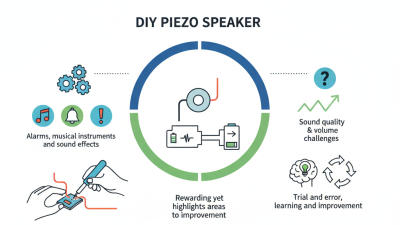
Understanding piezo speakers can significantly enhance your audio projects. These devices create sound using the piezoelectric effect, which converts electrical signals into mechanical vibrations. As small and lightweight components, they are often used in compact applications where space is limited. Despite their advantages, piezo speakers can sometimes lack depth and warmth.
To improve sound quality, consider the following tips. First, experiment with different mounting surfaces. The material and shape of the surface can greatly impact sound projection. A wooden or metal surface may resonate better than plastic, leading to a fuller sound profile. Second, tweak the input frequency. Piezo speakers often perform better at higher frequencies. Finding the right frequency range can enhance clarity.
Another aspect to reflect on is the power handling of your speaker. Using excessive power can distort sound, causing unpleasant feedback. Make sure to match the speaker’s power rating with the amplifier output. This balance is crucial for optimal performance. Small adjustments can lead to significant improvements. Take the time to test various configurations for the best results.
Factors Affecting Sound Quality in Piezo Speakers
When it comes to piezo speakers, sound quality can fluctuate significantly due to various factors. One primary aspect is the material used in the diaphragm. Thin, flexible materials can produce higher frequencies, while thicker options may enhance lower frequencies. However, finding the right balance is key. Sometimes, a thicker diaphragm can stifle overall sound clarity, making it sound muffled.
Another important consideration is the mounting method. The way a piezo speaker is attached can drastically affect how sound waves propagate. Improper mounting can lead to vibrations that distort sound. Experimenting with different mounts might yield better results. It’s worth considering that sometimes a poor fit can become a source of unwanted noise. Additionally, the environment plays a role. Amplifying sound in a confined space can create echoes or reverb that can muddy the audio quality.
Lastly, the driving voltage is critical. While a higher voltage may seem appealing, it can cause distortion. Using a lower voltage might lead to cleaner sound, yet compromise volume. Reflecting on these factors can help enthusiasts understand the intricate balance required to truly optimize piezo speaker performance.
Diy Piezo Speaker Tips for Best Sound Quality Improvements
| Factor |
Description |
Impact on Sound Quality |
| Material Type |
Different materials used in piezo elements can affect sound waves produced. |
High-quality materials result in clearer and richer sound. |
| Shape and Size |
The physical dimensions of the piezo can influence sound dispersion. |
Optimized shape improves sound projection and volume. |
| Driving Voltage |
The voltage applied to the piezo speaker determines its performance. |
Proper voltage ensures optimal vibration and sound output. |
| Frequency Response |
The range of frequencies a speaker can reproduce is crucial. |
A wider frequency range enhances overall sound richness. |
| Mounting Technique |
How the speaker is mounted can affect resonance and sound clarity. |
Proper mounting minimizes unwanted vibrations, improving quality. |
DIY Modifications for Enhanced Sound Clarity
When enhancing sound clarity with piezo speakers, modifications play a crucial role. Research indicates that proper mounting significantly affects sound quality. Choosing the right mounting material can reduce unwanted vibrations. Using soft adhesives here can yield better results. This helps isolate the speaker, leading to clearer sound output.
Additionally, attention to housing design is vital. The enclosure should minimize resonance. A well-sealed box can improve sound reproduction by reducing distortion. Reports have shown that adequate damping materials can further enhance clarity. Testing different materials will lead to noticeable differences in sound.
Experimenting with speaker positioning often yields surprising improvements. Small adjustments in angle and distance from walls can dramatically alter the soundscape. Some users find that even slight changes can enhance acoustic performance. It is an evolving process that demands patience and refinement. Often, the perfect setup is a journey of trial and error.
Best Practices for Mounting and Housing Piezo Speakers
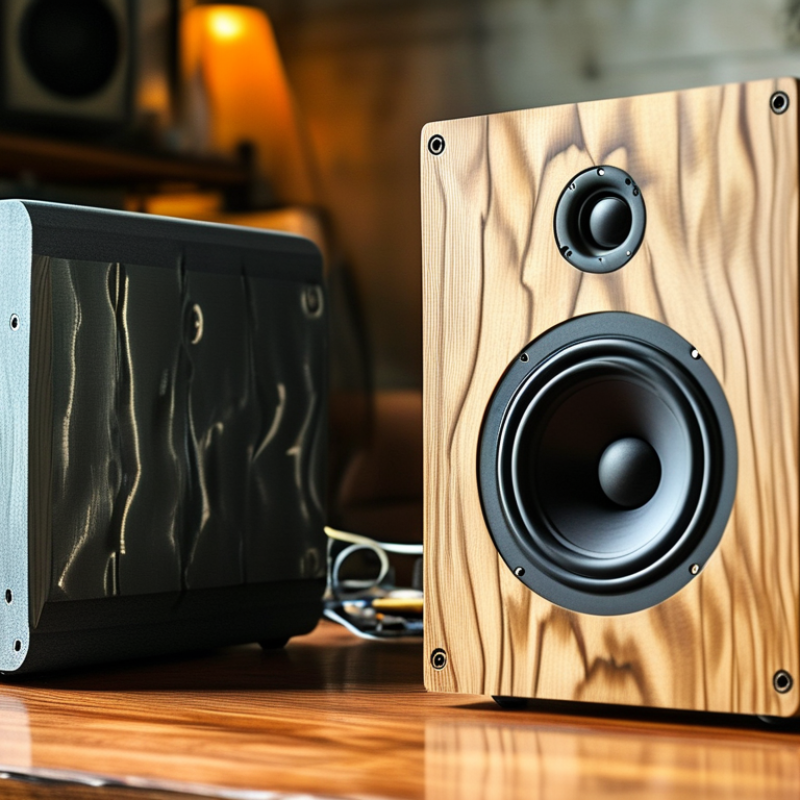
When mounting piezo speakers, the material and structure of the housing play crucial roles in sound quality. Selecting a sturdy enclosure can dramatically improve performance. Wood is often a good choice, offering density and resonance. However, hollow or lightweight materials may produce unwanted vibrations. This can muddy the sound. Always consider how the speaker interacts with its environment.
Using damping materials inside the enclosure can help control resonances. Foam or rubber can minimize distortion. Yet, too much damping might suppress clarity. Experimenting with different levels is essential. Ensure proper sealing to avoid air leaks, as they can undermine sound projection.
Locating the speaker in the right position is equally important. Mounting it too close to surfaces can cause reflections that degrade sound quality. If possible, create space around the speaker. This allows the sound to propagate freely. Testing various locations can reveal surprising improvements. Don't underestimate the power of placement in achieving the best sound results.
Diy Piezo Speaker Sound Quality Improvements
Testing and Tuning Your Piezo Speaker for Optimal Performance
When testing and tuning a piezo speaker, proper setup is essential. Start by ensuring your speaker is securely mounted. A loose connection can lead to sound distortion and inconsistencies. Test it in different positions to see how placement affects sound quality. Sometimes, moving just a few inches can significantly alter the audio output. Adjust the angle of the speaker to direct sound towards your listening area.
Next, focus on tuning the sound. Adjusting the frequency and damping can enhance clarity. Utilize a frequency generator to test different tones. Listen carefully to identify where the sound falls flat or becomes too sharp. Aim for a balanced range that suits your needs. Don't be afraid to make frequent adjustments. Document your changes as you go. This allows for easy revisiting if a particular setup doesn't yield the desired results.
Lastly, remember that piezo speakers can be sensitive. Overloading them can damage the unit. Always start with lower volume levels. Gradually increase until you find the sweet spot. If you notice unwanted noise, re-evaluate your tuning. Reflect on your techniques often. Each adjustment may lead you closer to optimal sound performance, but some may require rethinking your approach. Stay patient and attentive during your testing.