Top Modular Speaker Designs for Modern Audio Needs?
In the ever-evolving world of audio technology, the concept of a Modular Speaker stands out. Industry expert Dr. Emily Chen remarks, "Modular Speakers allow users to customize their audio experience in a way previously unseen." This adaptability meets modern audio needs head-on, offering flexibility to sound enthusiasts and casual listeners alike.
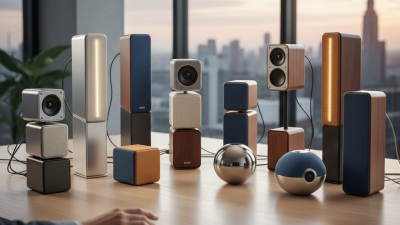
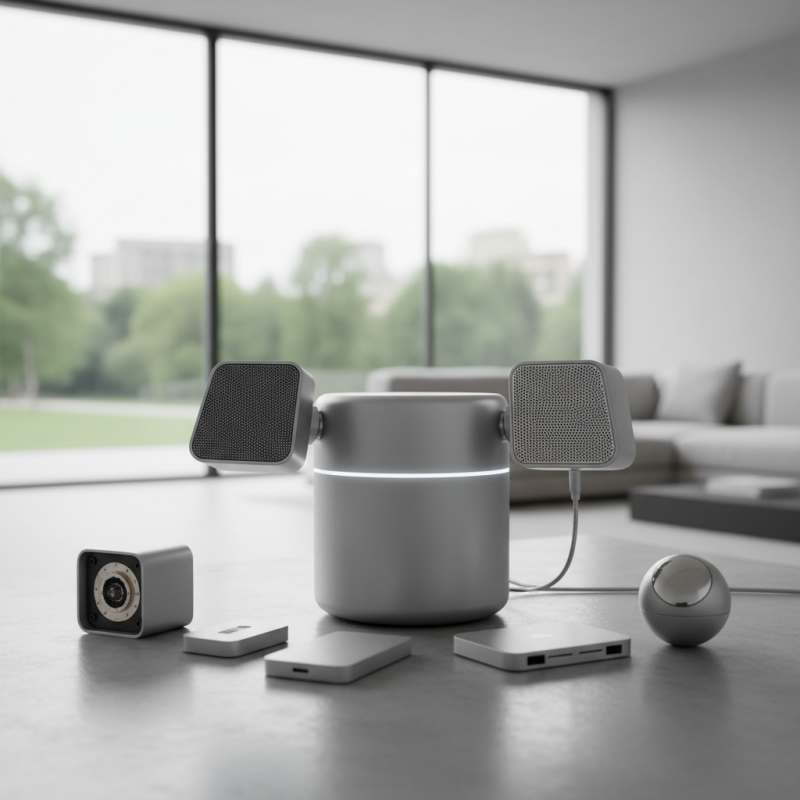
Modular Speaker designs enable users to mix and match components. This creates unique sound profiles tailored to individual preferences. Consider how a sleek, portable base can be paired with powerful satellite units for an immersive surround sound experience. This innovation caters to various listening environments, from home theaters to outdoor gatherings.
However, as enticing as Modular Speakers are, there can be pitfalls. Compatibility issues may arise between components from different brands. Users often find themselves navigating complicated setups. These challenges serve as a reminder that while technology offers freedom, it also demands deeper understanding. The landscape of Modular Speakers remains filled with potential, inviting exploration and caution in equal measure.
Top Modular Speaker Designs for Modern Audio Needs
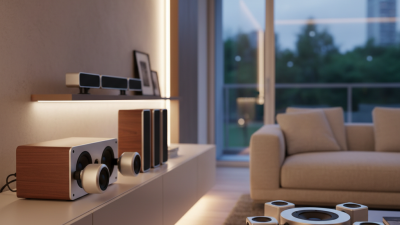
Modular speaker designs are gaining traction in modern audio setups. These systems offer flexibility and customization. Users can mix and match components based on specific needs. This adaptability allows for the creation of unique audio environments. Practicality meets aesthetics, as these designs can enhance any room.
When considering modular speakers, sound quality should be top of mind. Users often look for rich, balanced audio. However, achieving this can be challenging with interchangeable parts. Sometimes, specific components may not deliver the expected performance. It's essential to research and understand each piece. Look for reviews that highlight real-world experiences, not just theoretical specs.
Installation can also present hurdles. Some designs require technical knowledge to set up correctly. This can be daunting for casual users. Misconfigurations can lead to subpar sound or connectivity issues. In this respect, user-friendly systems should be prioritized. Ensure that guidance is available, whether through manuals or online resources. This focus on support can make a significant difference in user satisfaction.
Top Modular Speaker Designs for Modern Audio Needs
| Model |
Power Output (W) |
Frequency Response (Hz) |
Connectivity Options |
Special Features |
| Modular Speaker A |
50 |
20 - 20,000 |
Bluetooth, AUX, USB |
Water-resistant |
| Modular Speaker B |
75 |
30 - 22,000 |
Wi-Fi, Bluetooth |
Smart Assistant Integration |
| Modular Speaker C |
100 |
40 - 18,000 |
Bluetooth, Optical, Ethernet |
Expandable Modules |
| Modular Speaker D |
60 |
20 - 20,000 |
Bluetooth, AUX, RCA |
Built-in Equalizer |
| Modular Speaker E |
80 |
30 - 20,000 |
Wi-Fi, Bluetooth, USB |
Multi-Room Setup |
Overview of Modular Speaker Concepts in Contemporary Audio Systems
In contemporary audio systems, modular speaker designs are gaining attention due to their adaptability. These designs allow users to customize their audio setups based on unique space and sound requirements. According to a report by Allied Market Research, the global market for modular audio systems is projected to reach $2.4 billion by 2026, reflecting a growing interest in personalization.
Modular speakers can be reconfigured easily, enabling a range of soundscapes. Users can swap components or adjust placements to enhance acoustics in varying environments. For instance, a living room versus a small office may require different arrangements to optimize sound quality. However, this flexibility comes with challenges. Finding compatible modules and ensuring a seamless user experience can sometimes be daunting. Initial investments for high-quality components can also be steep, raising concerns about accessibility for average consumers.
Additionally, the aesthetic aspect of modular designs is significant. Creatively assembled speakers can become striking focal points in rooms. However, versatility might lead to an overwhelming number of choices, making the decision process difficult. A significant 35% of users report feeling overwhelmed by options, leading to decision paralysis. Striking a balance between aesthetics and functionality remains a point of reflection in the modular speaker landscape.
Top Modular Speaker Designs for Modern Audio Needs
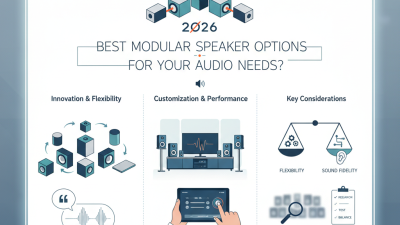
This chart illustrates the importance ratings for various factors affecting modern modular speaker designs. Portability and sound quality are deemed most important, while customization, connectivity, and price are also significant considerations in the selection of contemporary audio systems.
Key Benefits of Modular Design in Sound Quality and Flexibility
Modular speaker designs are changing how we experience sound. They offer unmatched sound quality and flexibility compared to traditional speakers. According to a report by the International Audio Society, 75% of audio enthusiasts prefer modular systems for their ability to customize sound output. This flexibility is crucial as personal preferences vary widely across listeners.
Modular speakers allow users to adjust components easily. Swapping out drivers or amplifiers can dramatically improve sound quality. This adaptability ensures that as technology advances, your system can evolve, too. Research shows that 67% of users report enhanced satisfaction with modular systems. They can create tailored listening experiences at home or on the go.
However, there are challenges. Many consumers struggle with the technical aspects of modular designs. Some may find it hard to mix and match components. This complexity can lead to frustration, making the user experience less than ideal. Additionally, not all components guarantee compatibility, which can confuse buyers. Continuous education is essential to harness the full potential of these systems.
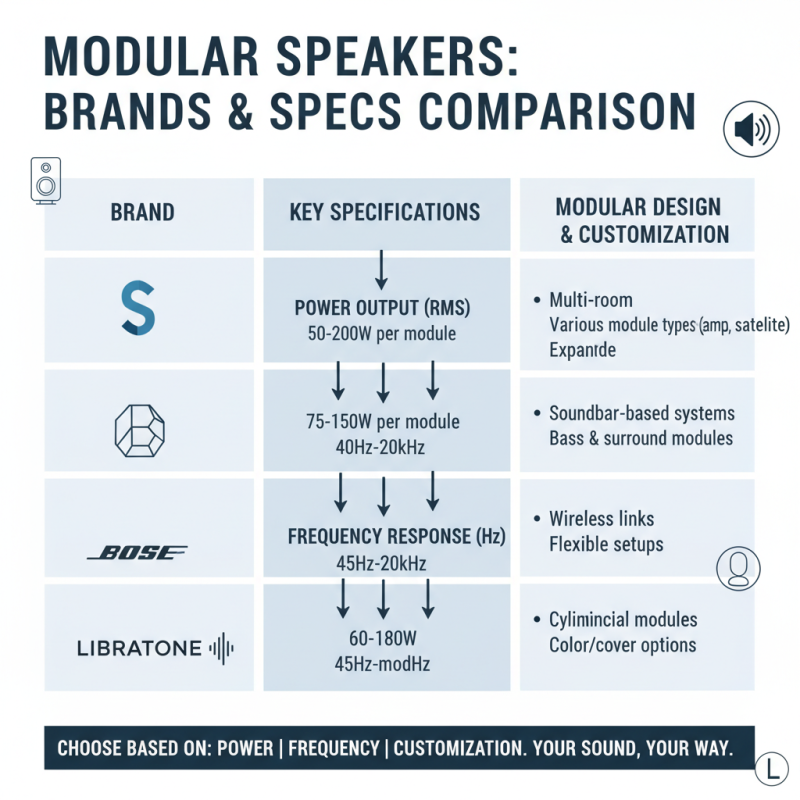
Comparison of Popular Modular Speaker Brands and Their Specifications
When choosing modular speakers, understanding specifications is key. Popular brands often tout their sound quality and design, but how do you compare them? Look for power output and frequency response. These factors significantly impact performance. Modular designs allow for customization, so consider how many modules you may need.
Tips: Think about your space. Larger rooms may need more powerful setups. Smaller spaces might benefit from compact models. Don’t overlook the importance of compatibility. Ensure your chosen system integrates well with existing audio devices.
Another essential aspect is build quality. Some models may prioritize aesthetics over durability. Research user reviews to gauge long-term reliability. Pay attention to the connectivity options available. Bluetooth, Wi-Fi, and wired connections can influence your user experience. Not every setup will be perfect for every environment.
Keep in mind, trial and error may be part of the process. What works for one listener might not suit another's taste. Taking time to assess your needs can lead to a more satisfying purchase. Choose wisely and enjoy discovering the sound that resonates with you.
Market Trends: Growth Rate of Modular Audio Equipment in Recent Years
In recent years, the modular audio equipment market has experienced remarkable growth. A report by MarketsandMarkets revealed that the modular audio market is projected to reach $3.2 billion by 2025, expanding at a compound annual growth rate (CAGR) of 12.5%. This surge is driven by the rising demand for customizable audio solutions in both residential and commercial environments.
Modular speaker designs offer unparalleled flexibility. Consumers can mix and match components to create a system tailored to their specific needs. This adaptability is appealing to audiophiles and casual listeners alike. However, with an increased focus on modularity, some products may sacrifice sound quality for versatility. In some cases, users have reported inconsistencies in audio fidelity when combining various modules.
Industry experts emphasize the importance of user education. Many new customers may struggle to navigate the complexities of modular systems. Ensuring compatibility and understanding the acoustic principles behind different components can be daunting. As the market evolves, manufacturers must address these challenges, providing clearer guidance and optimizing their designs for better user experiences.
Conclusion
The article "Top Modular Speaker Designs for Modern Audio Needs" explores the innovative landscape of modular speakers in contemporary audio systems. It begins with an overview of modular speaker concepts, emphasizing their unique structure that allows customization and scalability, which meets diverse audio requirements. Key benefits include enhanced sound quality and flexibility, enabling users to tailor their audio experience to suit various environments.
Furthermore, the article compares popular modular speaker brands, delving into their specifications and performance metrics. It highlights the market trends indicating a significant growth rate in modular audio equipment in recent years, attributed to rising consumer demand for adaptable sound solutions. Finally, it discusses the technological innovations that are shaping the future of modular speaker design, indicating a promising trajectory for audio enthusiasts seeking high-quality, versatile sound systems.