Why B20 Buzzer Is the Best Choice for Your Next Project?
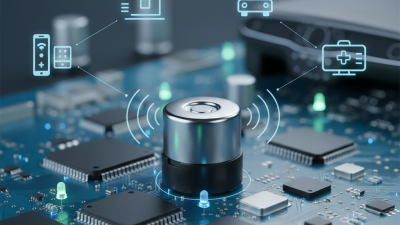
When it comes to selecting the right components for your projects, the B20 Buzzer stands out remarkably. This small device may seem simple, yet it holds great potential. It produces clear and audible signals, making it ideal for alarms and notifications. Many engineers prefer the B20 Buzzer for its reliability and high performance.
The B20 Buzzer is designed for versatility. It serves various applications, from simple sound indicators to complex alert systems. Its ease of integration into different circuits sets it apart from other buzzers. Moreover, it consumes minimal power, which is essential for battery-operated devices. However, one might wonder if all buzzers are designed similarly, and the answer often lies in specific project requirements.
While some buzzers may offer unique features, the B20 Buzzer maintains a balance of quality and cost-effectiveness. It's not the loudest or the fanciest. Yet, it effectively meets essential needs without breaking the bank. This makes it a thoughtful choice for creators working within tight budgets. As you explore options, consider how the B20 Buzzer can elevate your projects while keeping things practical.
Features of the B20 Buzzer That Enhance Project Performance
The B20 Buzzer is designed to enhance project performance significantly. One standout feature is its impressive frequency range. Operating between 2 kHz to 4 kHz provides versatility across various applications. This flexibility allows engineers to tailor sound output to specific project needs. Such adaptability is crucial in industries where sound signaling is essential.
Another notable attribute is the power efficiency of the B20 Buzzer. It consumes minimal energy while delivering maximum output. Reports indicate that energy-efficient components can reduce overall project power consumption by 30%. This is invaluable for battery-operated devices. Developers often seek ways to extend battery life without compromising functionality. The B20 Buzzer meets that demand.
Despite its advantages, using the B20 Buzzer isn’t without challenges. Some users report difficulties in integrating the buzzer into certain systems. Compatibility issues arise, particularly in outdated devices. Engineers must carefully assess specifications to ensure seamless integration. Addressing these concerns can lead to better sound quality and performance in final products.
Performance Comparison of Different Buzzer Types
Comparative Advantages of B20 Buzzer Over Other Buzzers
When it comes to selecting buzzers for projects, the B20 Buzzer stands out significantly. One key advantage is its compact size, allowing it to fit into tight spaces. This feature makes it ideal for wearable technology and portable devices. Additionally, the B20's lightweight design simplifies overall assembly.
Furthermore, the B20 Buzzer offers a wide frequency range. Users can choose from various pitch levels, enhancing sound clarity. This versatility is often lacking in other buzzers. Some alternatives only produce a single sound. This limits creative options for designers.
One area to reflect on is the B20's power efficiency. It consumes less energy without compromising performance. It’s essential, particularly for battery-operated devices. However, some users may find the sound output less loud than their expectations. Balancing volume and power usage can be tricky. Ultimately, the B20 Buzzer provides useful features that contribute to project success.
Ideal Applications for the B20 Buzzer in Various Projects
The B20 buzzer stands out in many project applications. It is compact and efficient, making it ideal for small devices. Hobbyists often use it in DIY electronics projects. Its sound levels are adjustable, which is beneficial for various environments. Projects in automotive technology also find this buzzer useful. It provides alerts without being overly loud, preventing distractions.
In the realm of smart home appliances, the B20 buzzer shines. It can signal operational states, ensuring user awareness. This is crucial for safety features. You might consider its role in alarm systems. An unexpected sound can alert homeowners during critical moments. However, relying solely on sound can be limited. Visual indicators can complement its functionality.
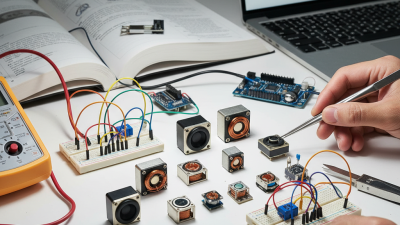
Additionally, educational projects can benefit from the B20 buzzer. It helps teach students about sound waves and electronics. Projects involving microcontrollers often use this component. Teachers appreciate its simplicity and effectiveness. Yet, students may struggle with integration at times. Learning curves exist. Challenges arise when designing circuits that include the buzzer. Creative solutions must be sought.
Installation and Usage Guidelines for the B20 Buzzer
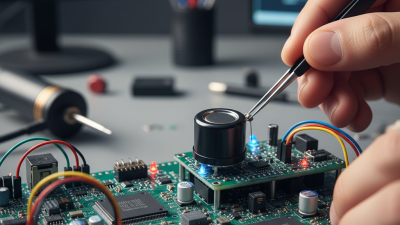
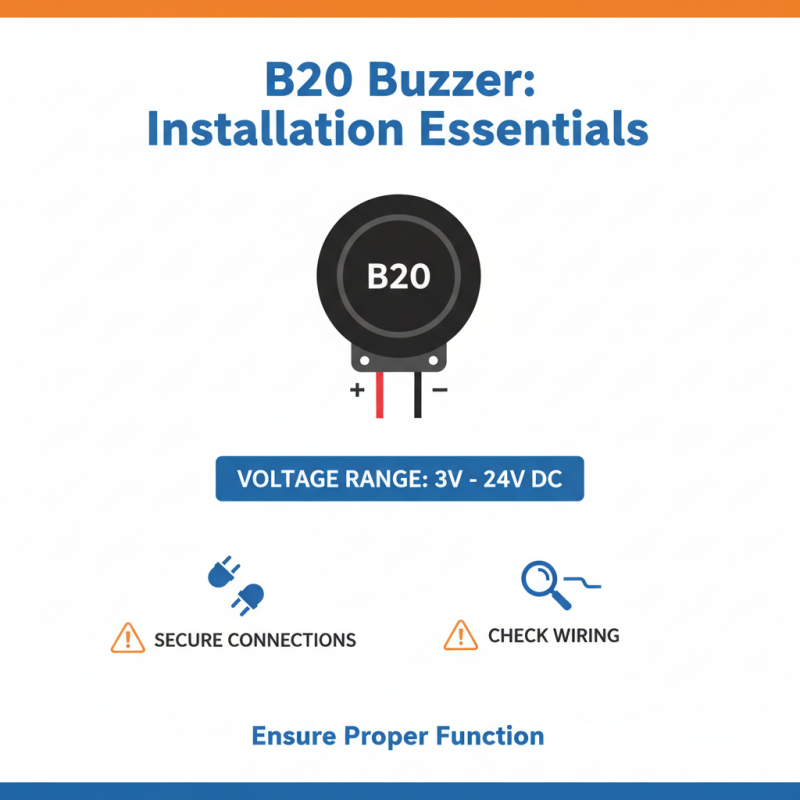
When considering the B20 buzzer for your project, installation is key. First, ensure you have the right connections. The B20 typically requires a voltage range, often between 3V and 24V. Check the wiring carefully. If connections are loose, the buzzer may not operate correctly.
Next, consider the environment where it will be used. While the B20 is durable, exposure to moisture can impact performance. Always protect it from elements that could lead to rust or corrosion. Testing is essential. After installation, check the sound quality. A faint or distorted sound suggests an issue.
Usage is straightforward, but you may run into challenges. Adjust the volume level if it's too loud or too soft for your needs. Experimenting with different frequencies can also yield various sound effects. Keep in mind, too many adjustments may lead to confusion. Trying to balance functionality and simplicity is crucial. Take time to reflect on your progress and make necessary tweaks.
Cost-Effectiveness and Availability of the B20 Buzzer in the Market
The B20 buzzer stands out for its cost-effectiveness and availability in the market. Engineers often prioritize budget and accessibility when selecting components. The B20 provides a reliable auditory signal without straining project finances. The price point is manageable for both professionals and hobbyists alike.
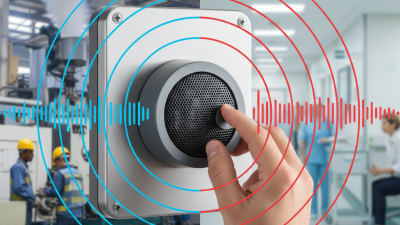
In various applications, the B20 has gained attention due to its versatility. Whether for alarms or notifications, it delivers clear sound without distortion. Yet, some users find it could be louder in certain settings. This aspect can be a point of reflection for designers. They might need to assess the environment and requirements carefully. There’s no one-size-fits-all solution.
Availability is another key advantage. The B20 is easy to source from multiple vendors. However, fluctuations in supply can be a concern at times. Being prepared for potential shortages might benefit project timelines. Planning ahead can help mitigate these risks, ensuring smooth execution of ideas.
Why B20 Buzzer Is the Best Choice for Your Next Project? - Cost-Effectiveness and Availability of the B20 Buzzer in the Market
| Specification |
Details |
Cost |
Availability |
Applications |
| Frequency Range |
2 kHz - 4 kHz |
$1.50 - $3.00 |
Widely available |
Consumer Electronics, IoT Devices |
| Operating Voltage |
3V - 15V |
$1.50 - $2.50 |
Readily in Stock |
Alarm Systems, Home Appliances |
| Sound Level |
85 dB |
$2.00 - $3.50 |
Easily Accessible |
Toys, Safety Equipment |
| Duty Cycle |
50% ON, 50% OFF |
$1.75 - $3.25 |
Stocked Globally |
Industrial Applications, Robotics |