Top 10 Electro Magnetic Buzzers in China for Global Buyers?
In recent years, the demand for Electro Magnetic Buzzers has surged globally. This increase stems from their essential role in various applications, including alarms, notifications, and games. According to recent market analysis by TechNavio, the global electro-acoustic transducer market, which includes buzzers, is projected to grow at a CAGR of 5.4% through 2025.
Dr. Li Wei, a prominent expert in the field of acoustic devices, notes, "Innovation in Electro Magnetic Buzzer technology drives a significant part of the electronics market today." This sentiment reflects the industry's evolving nature. Competitive markets necessitate that manufacturers stay ahead by implementing advanced technologies and improving product quality.
However, some challenges persist. Quality inconsistencies can affect performance in practical applications. Buyers must navigate a crowded marketplace, where not every product meets safety and reliability standards. Identifying the top Electro Magnetic Buzzers in China requires thorough research and insight. With the right information, global buyers can find reliable options that meet their specific needs.
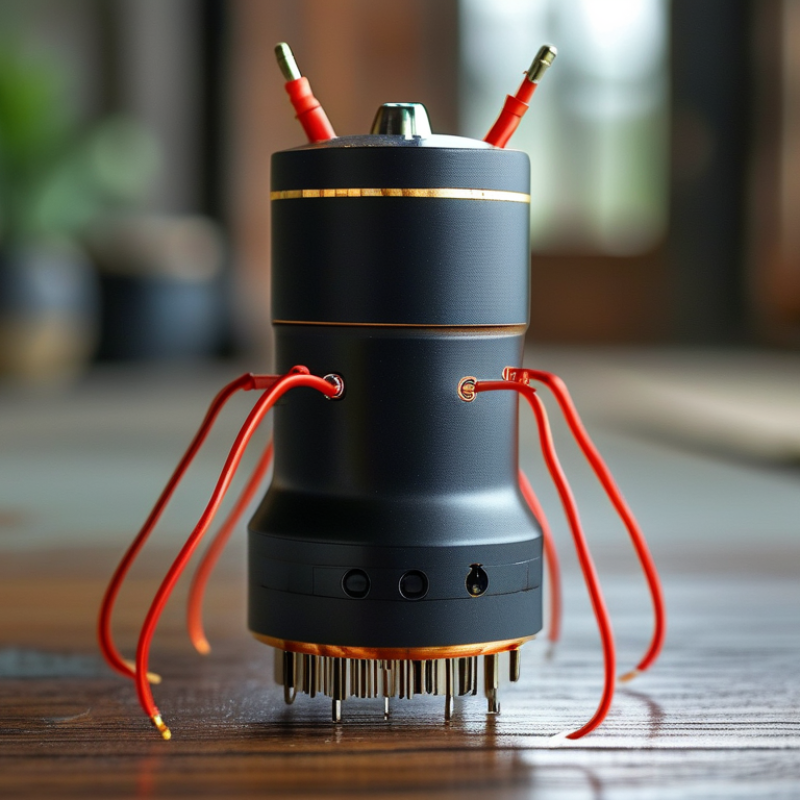
Overview of Electro Magnetic Buzzers: Features and Applications
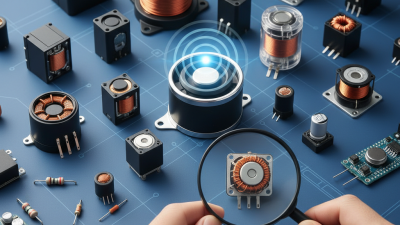
Electro Magnetic Buzzers are essential components in various applications, including consumer electronics, automotive systems, and communication devices. These buzzers convert electrical energy into sound, thanks to electromagnetic principles. Most models operate at a frequency range of 2 kHz to 4 kHz, making them suitable for clear auditory signals. Reports indicate that the global market for buzzers is projected to grow at a CAGR of 5.6% over the next five years, driven by technological advancements and increased demand.
Features vary widely among different electro magnetic buzzers. Some buzzers offer low power consumption, which is ideal for battery-operated devices. Others provide high sound output, essential for alarms and notification systems. It's notable that material selection impacts durability, with some models showing significant wear under extreme conditions. Manufacturers often face sustainability challenges. The push for eco-friendly materials is gaining momentum yet remains inconsistent across the industry.
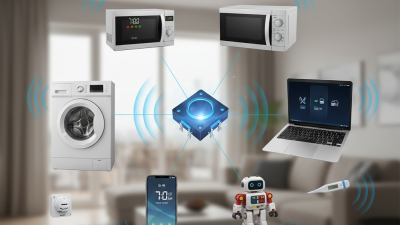
Applications extend across several sectors. In consumer electronics, buzzers emit alerts for incoming calls or notifications. Automotive systems use them for warning signals, ensuring driver awareness. Moreover, the need for compliance with international standards is crucial for manufacturers. Many struggle to meet these requirements while maintaining product quality and cost-effectiveness. Such conflicts highlight an ongoing area for improvement.
Top 10 Electro Magnetic Buzzers in China for Global Buyers
| Model |
Frequency (kHz) |
Voltage (V) |
Max Sound Level (dB) |
Dimension (mm) |
Application |
| Model A |
2.5 |
12 |
90 |
20 x 20 x 10 |
Home appliances |
| Model B |
3.0 |
24 |
85 |
25 x 25 x 15 |
Toys |
| Model C |
4.0 |
5 |
92 |
30 x 30 x 20 |
Alarm systems |
| Model D |
2.0 |
12 |
88 |
40 x 40 x 10 |
Automotive |
| Model E |
1.5 |
9 |
80 |
45 x 45 x 15 |
Communication devices |
| Model F |
3.5 |
24 |
95 |
50 x 50 x 20 |
Industrial equipment |
| Model G |
2.8 |
5 |
84 |
35 x 35 x 10 |
Medical devices |
| Model H |
1.2 |
12 |
78 |
55 x 55 x 15 |
Smart technology |
| Model I |
3.1 |
9 |
87 |
60 x 60 x 20 |
Home security |
| Model J |
4.5 |
15 |
93 |
65 x 65 x 25 |
Consumer electronics |
Criteria for Selecting Top Electro Magnetic Buzzers in China
When selecting the top electromagnetic buzzers in China, several key criteria stand out. First, consider the materials used in manufacturing. High-quality components contribute to the buzzer's durability and performance. Research indicates that buzzers made from durable polymers and metals have a longer lifespan, typically exceeding 50,000 hours under standard operating conditions.
Next, pay attention to the sound output. Frequency response and decibel levels are crucial. Most effective buzzers operate between 2 kHz to 4 kHz, providing clear, audible signals without distortion. According to industry reports, a 90 dB output at 1 meter is often considered optimal for various applications. Additionally, evaluate the operational voltage. Many buzzers function efficiently within a range of 5V to 24V, making them versatile for different devices.
Another significant factor is environmental resistance. Buzzers that are waterproof or dustproof enhance reliability, especially in outdoor or harsh conditions. Testing shows that buzzers with an IP rating of 65 or higher perform better in diverse settings. Although electrical characteristics and specifications are key, manufacturers should also offer detailed documentation about their products. This transparency fosters trust and ensures a reliable selection process.
Top 10 Electro Magnetic Buzzers: Detailed Profiles and Specifications
Electro Magnetic Buzzers serve critical functions in various electronic devices. They are particularly useful in alarms, toys, and communication devices. The global market for these buzzers is rapidly expanding. According to recent industry reports, the demand for electro magnetic buzzers is projected to grow at a compound annual growth rate (CAGR) of 5.3% by 2027. This growth indicates a strong reliance on sound signaling devices.
When evaluating the top electro magnetic buzzers from China, it is essential to consider their specifications carefully. These devices typically range in frequency from 2 kHz to 4 kHz. Many buzzers operate at voltages between 3V and 12V, presenting versatility for different applications. Recent findings suggest that operating temperatures can vary, with many models functioning well in environments as low as -20°C.
It's important to note that not all electro magnetic buzzers meet international quality standards. Some models may produce inconsistent sound levels, leading to performance issues. Buyers must exercise caution when selecting products, as variations in manufacturing practices can affect reliability. Additionally, understanding specific application requirements is crucial for optimal functionality. This approach ensures that customers select buzzers that not only fit their needs but also maintain a standard of quality and performance.
Market Trends and Innovations in China's Electro Magnetic Buzzer Industry
China's electro magnetic buzzer industry is witnessing rapid growth. Innovations are shaping product designs and enhancing performance. Companies are focused on reducing energy consumption and improving sound quality. This trend aligns with the global demand for eco-friendly products. Many buzzers now feature compact designs without compromising efficiency.
Tips: Explore new suppliers regularly. They often introduce unique features that enhance product appeal.
Smart manufacturing is transforming the industry. Automation and advanced materials are key areas of investment. Yet, challenges remain. Quality assurance can sometimes lag behind production speeds. Buyers should prioritize suppliers with robust quality control measures.
Market demands are shifting. The need for versatile buzzers in various applications is increasing. Think beyond traditional markets. Consider industries like automotive and consumer electronics. These sectors are adopting buzzers more frequently.
Tips: Look for buzzers with customizable features. This can add significant value to your projects.
Global Procurement Tips for Sourcing Electro Magnetic Buzzers from China
Sourcing electro magnetic buzzers from China can be both rewarding and challenging. Understanding the market is crucial. The global demand for these devices is expected to reach $1.5 billion by 2026, growing at over 6% annually. Buyers should analyze suppliers thoroughly. Supply chain transparency is key for reliability in products.
Emerging trends highlight the importance of quality certification. Manufacturers often pursue ISO and CE certifications to ensure compliance with international standards. This step can enhance product reliability. Buyers should vet suppliers for these certifications and customer reviews. Regular quality checks can help prevent recurring issues.
Pricing is another critical factor. Reports indicate that prices in China can be significantly lower than in other regions. However, lower prices sometimes correlate with lower quality. Buyers must negotiate terms carefully. Consider long-term relationships with suppliers who offer consistent quality. Cultivate partnerships that allow for better communication and understanding of manufacturing processes.