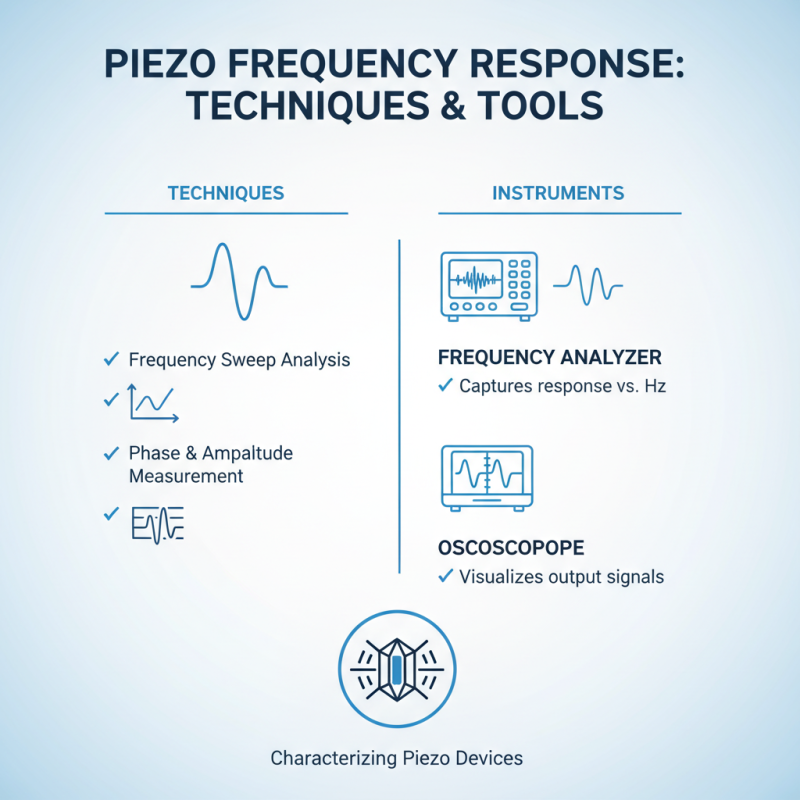
Top Insights on Piezo Frequency Response Explained
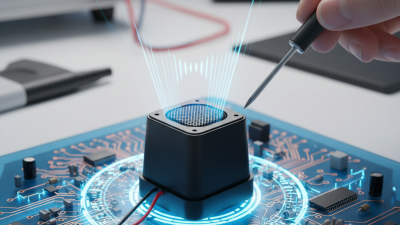
Understanding Piezo Frequency Response is essential in various engineering applications. This concept plays a pivotal role in how piezoelectric materials respond to external forces. These materials convert mechanical energy into electrical energy, which is crucial in sensors and actuators.
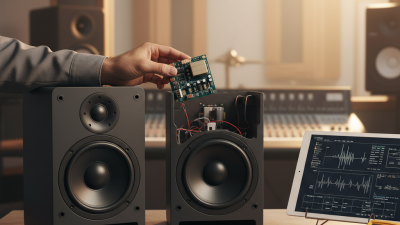
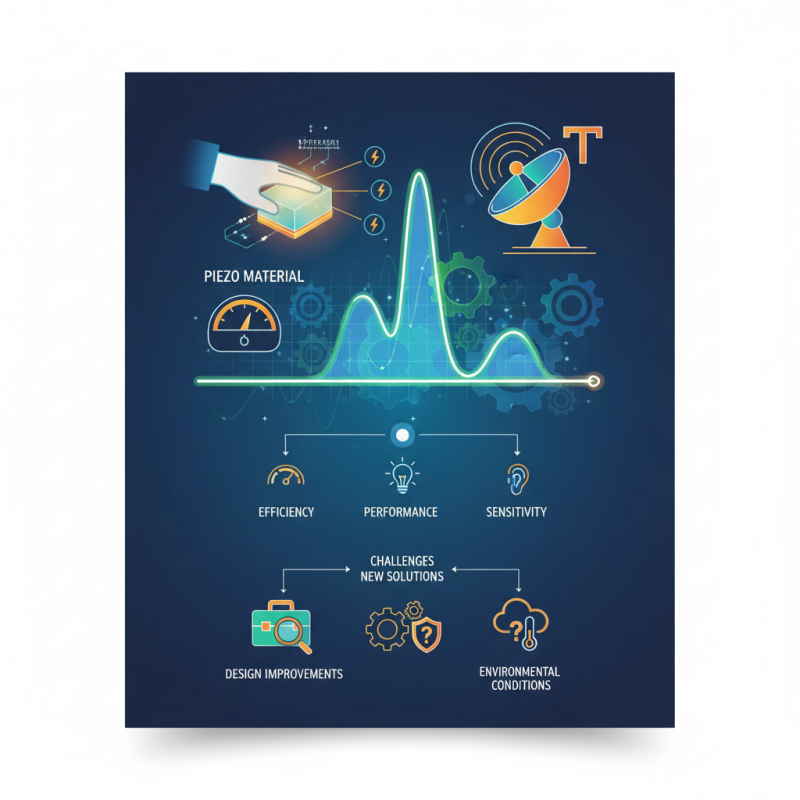
When we analyze Piezo Frequency Response, we uncover significant insights. The frequency at which a piezoelectric device operates affects its efficiency and performance. For example, tuning a sensor to resonate at a specific frequency enhances its sensitivity. Observing these responses sheds light on design improvements and real-world performance.
Despite the improvements, challenges remain. Engineers must navigate complexities in material properties and environmental conditions. Sometimes, results don’t meet expectations. Continuous reflection on these responses may reveal new solutions. Overall, exploring Piezo Frequency Response opens doors to innovation and refinement in technology.
Understanding Piezoelectric Materials and Their Frequencies
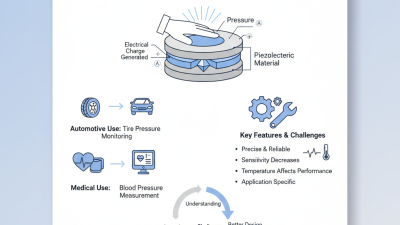
Piezoelectric materials convert mechanical energy into electrical energy. These materials are vital in many industries, including automotive and electronics. Their frequency response is crucial for applications such as sensors and actuators. A recent report indicated that the global piezoelectric materials market is expected to reach $1.98 billion by 2025, growing at a compound annual growth rate (CAGR) of 6.8%. This data highlights the rising demand for efficient energy conversion technologies.
Understanding the frequency response of piezoelectric materials can enhance the design of electronic devices. Specific frequencies are optimal for different applications. For example, ceramic piezoelectric materials often show peak sensitivity in the kHz range, while polymers might perform better at lower frequencies. This variance can lead to challenges. Design engineers must ensure the material is appropriate for its intended frequency range to avoid inefficiencies.
Recent studies emphasize the need for better characterization of piezoelectric materials. Many materials do not behave as expected under all conditions. Environmental factors like temperature and humidity can alter their frequency response significantly. It is essential to conduct thorough testing during the material selection process. This can prevent potential failures in end applications. Overall, while piezoelectric materials show great promise, understanding their nuances is essential for optimal use.
The Mechanics of Piezo Frequency Response in Different Applications
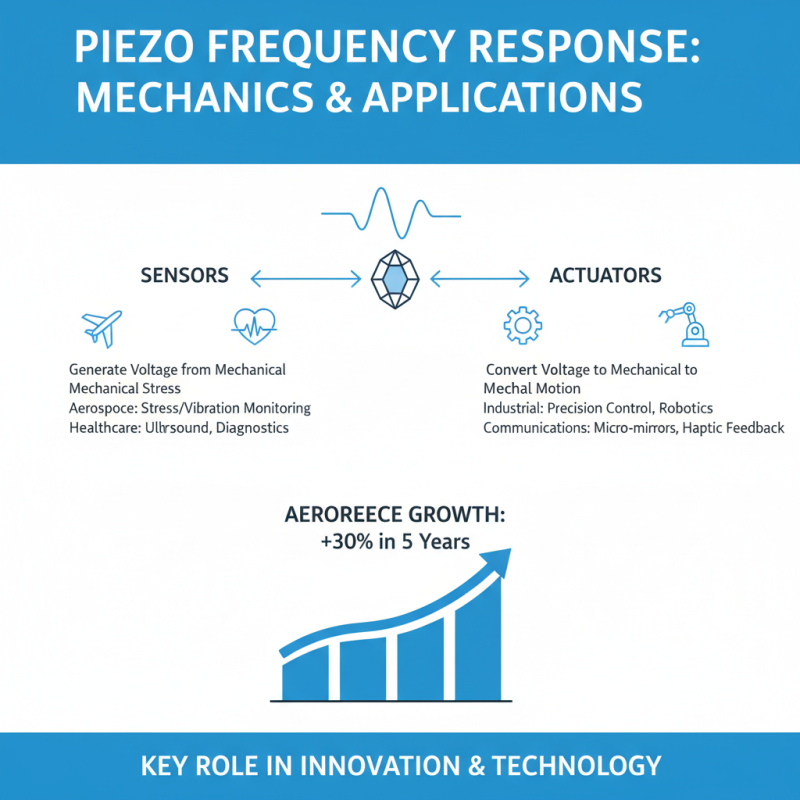
The mechanics of piezo frequency response play a crucial role across various applications, from sensors to actuators. Piezoelectric materials generate voltage when mechanically stressed. This makes them vital in industries like aerospace and healthcare. For example, recent reports indicate that the aerospace sector will see a growth of 30% in piezoelectric applications over the next five years.
Different applications require different frequency responses. In medical ultrasound devices, frequency ranges between 2 to 10 MHz are common. However, challenges arise due to temperature sensitivity in piezo materials. Research indicates that performance can drop significantly over varying environmental conditions. This inconsistency may lead to unexpected failures during critical operations.
Additionally, there are still gaps in our understanding of piezoelectric behavior under extensive use. Some devices may not perform optimally after prolonged exposure to stress. Continuous monitoring is essential to improve reliability and functionality. The industry must focus on refining materials and designs to enhance overall performance. Insights into these improvements will be valuable as demand for efficient systems grows.
Analyzing Frequency Response Data: Interpretation and Implications
Understanding frequency response data is crucial in piezo technology. This data reveals how piezoelectric materials react to different frequencies. Analysts emphasize that response characteristics are not always linear. In fact, many studies suggest discrepancies that can occur due to material imperfections. For instance, a report by the International Journal of Smart and Nano Materials notes anomalies in frequency response that can lead to unexpected resonances.
Interpreting frequency response is complex. For example, a shift in frequency may indicate a material’s internal structure changes. Such shifts can mislead engineers if not properly analyzed. According to technical data, up to 30% of piezo performance issues stem from improper frequency response analysis. Engineers need to apply rigorous testing protocols to avoid these pitfalls.
Moreover, frequency response implications extend to practical applications. Variability in data can significantly impact sensor performance or actuator efficiency. Engineers often struggle to correlate test results with actual performance. Industry data suggests that about 25% of projects may face delays due to misinterpretations of frequency response data. This highlights a need for improved training and resources in this area.
Frequency Response of Piezo Materials
This bar chart illustrates the frequency response of piezo materials across various frequencies: 1 kHz, 10 kHz, 100 kHz, 1 MHz, and 10 MHz. The response is measured in decibels (dB). As observed, the frequency response peaks at 100 kHz, indicating optimal performance of the piezo material at that frequency.
Industry Applications: Piezo Frequency Response in Technology and Medicine
Piezo frequency response plays a crucial role in both technology and medicine. In technology, piezoelectric materials are essential in sensors and actuators. For instance, ultrasound imaging utilizes piezoelectric transducers that convert electrical signals into sound waves. This innovation significantly improved diagnostic accuracy, with some studies reporting up to 90% sensitivity in detecting conditions like tumors.
In the medical field, piezo frequency response is vital for drug delivery systems. These systems use piezoelectric elements to control the release of medications accurately. A report highlighted that ultrasound-enhanced drug delivery can increase therapeutic efficacy by as much as 40%. This technology holds promise for chronic pain management, allowing precise dosing levels tailored to individual patients.
Tips: When working with piezoelectric devices, consider the operational environment. Temperature variations can affect frequency response. Regular calibration is crucial in settings where precision matters. In addition, always consult existing literature about material performance under different conditions. Understanding these nuances can enhance system performance and patient outcomes.