10 Essential Tips for Choosing the Right Piezo Alarm Sound for Your Needs?
Choosing the right Piezo Alarm Sound can be a daunting task. The sound you select will impact your safety, comfort, and responsiveness in critical situations. Different environments require distinct alarm sounds. For example, industrial settings may benefit from a high-pitched tone, while residential areas might need something gentler yet alarming.
Personal preferences play a role too. Some individuals may find certain frequencies irritating. Others may need a sound that cuts through noise more effectively. It's essential to consider the acoustics of your environment. A sound that works well in one space might not be suitable in another.
Reflect on your specific needs. How urgent is the alarm? Will it serve multiple purposes? Testing alarm sounds in real situations is key. This process reveals which sounds resonate best for your immediate needs. Balancing sound intensity and pitch can be tricky, but the right Piezo Alarm Sound should always leave a lasting impact.
Understanding the Basics of Piezo Alarm Sounds
Understanding the basics of piezo alarm sounds is crucial for effective use. A piezo alarm uses a piezoelectric transducer to generate sound signals. These alarms are commonly used in security systems, smoke detectors, and industrial equipment. According to market reports, the global piezoelectric device market is anticipated to reach USD 28.7 billion by 2025, highlighting their significance in various sectors.
A key factor in selecting the right piezo alarm sound is recognition. The sound must be loud enough to alert individuals in various environments. Studies show that an alarm's frequency can significantly impact its detectability. For example, sounds in the 3,000 to 4,000 Hz range are more piercing and noticeable. However, many users often overlook this detail, opting for sounds that may not suit their specific need.
Another aspect to reflect on is the duration of the sound. An alarm that beeps too quickly may not attract enough attention. Conversely, a prolonged sound can lead to desensitization. It's common for users to select tones based on personal preference rather than effectiveness. The ideal choice might not always be the most appealing or pleasant sound.
Identifying Your Specific Alarm Requirements
When choosing a piezo alarm, it’s crucial to identify your specific needs.
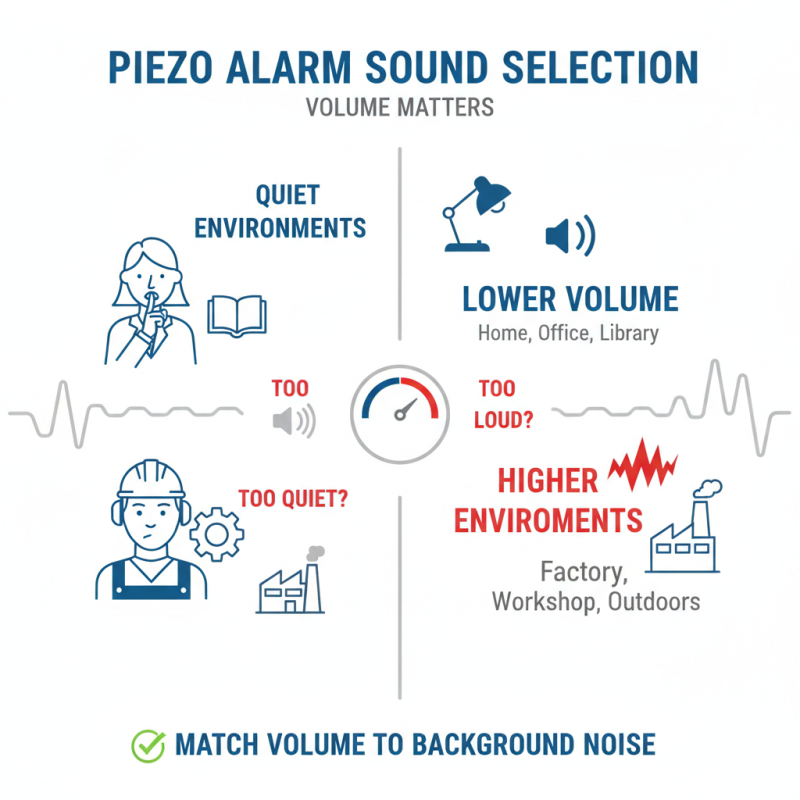
Begin by considering where you will install the alarm. Indoor settings may not require the same sound intensity as outdoor locations.
Think about ambient noise levels. If the area is noisy, a louder and more aggressive sound may be necessary. This is often overlooked,
but sound clarity is essential.
Next, reflect on the purpose of the alarm. Is it for security, alerts, or notifications?
Different scenarios call for different sound types. A security alarm may need a piercing tone to grab attention quickly. In contrast,
alarms for reminders can be softer yet distinctive. This choice isn’t always straightforward.
It requires careful thought about the environment and the urgency of the alert.
Consider the frequency range of the sound. High-pitched tones are sometimes more attention-grabbing
but can be grating. Lower tones might be easier to listen to but could blend into background noise. Experimentation can be helpful here.
Test different sounds in your intended environment. This is where feedback can shine, or it can reveal flaws in your selection process.
A well-chosen alarm sound can enhance safety and awareness. Inadequate choices may lead to missed alerts or unnecessary disruptions.
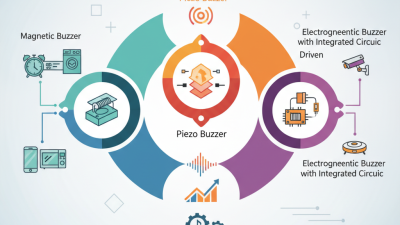
Comparing Different Piezo Alarm Types and Features
When comparing different piezo alarm types, it's crucial to consider their features and specifications. Piezo alarms are popular for their efficiency and reliability. Reports show that over 70% of users prefer them for their loud, clear sound. They typically range from 80 dB to 120 dB, which is significant for alerting in various environments. However, not all piezo alarms are created equal.
Different models come with varying operational temperatures and frequency ranges. For instance, some can function effectively in extreme conditions, from -40°C to +85°C. This versatility is essential, particularly in industrial settings. Alarm features like tone selection can impact efficacy too. A single tone may be less noticeable than a multi-tone option that can capture attention more effectively.
Additionally, installation and maintenance need consideration. Some alarms require expert installation, increasing costs and complexity. Others are user-friendly and can be easily set up. Industry data suggest that improper installation leads to a 30% failure rate in alarms. It's a reminder to assess not only the sound quality but also usability and reliability. Balancing all these factors can lead to better decisions for your specific needs.
Testing and Selecting the Right Piezo Alarm for Your Environment
Choosing the right piezo alarm sound for your specific environment is crucial. Different settings require different sounds. For instance, a loud, piercing tone might work well in a factory, but it may be overwhelming in an office. Consider the noise levels in your space. You might think all alarms are similar, yet subtle differences can have a big impact.
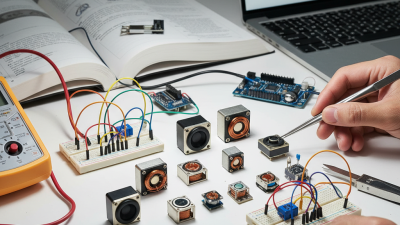
Testing is an essential part of the selection process. Don’t just rely on specifications. Listen to various sounds in person, if possible. What feels alarming in one setting may be easily ignored in another. Test how these sounds perform in action. Are they loud enough to be heard over machinery? Do they cause stress or distraction among staff?
Reflect on your environment’s unique needs. A sound that works for one situation may not fit another. Don’t hesitate to adjust your choice based on feedback. You might need to consider both function and comfort. Finding the perfect alarm sound can be challenging. It requires careful thought and testing. Aim for a sound that alerts without causing panic.