What is a Diy Piezo Speaker and How Does It Work?
In the world of DIY electronics, the DIY Piezo Speaker stands out for its simplicity and versatility. Experts like John Smith, a renowned engineer in acoustics, remarked, "A well-crafted DIY Piezo Speaker can truly amplify creativity." This speaker uses a piezoelectric element to produce sound, making it an intriguing project for both beginners and seasoned hobbyists.
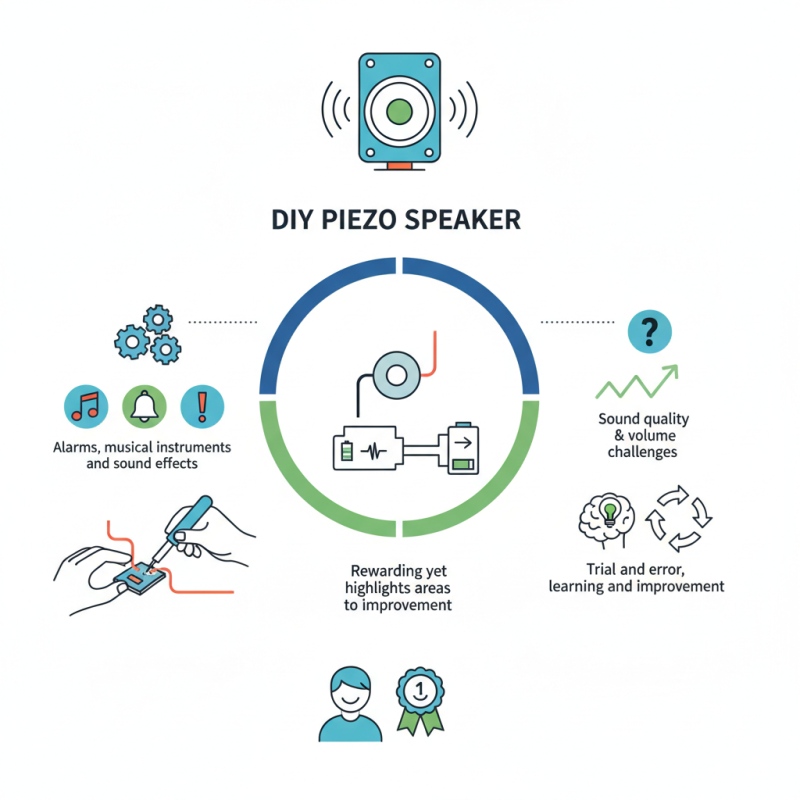
Constructing a DIY Piezo Speaker requires minimal materials, yet it opens the door to endless possibilities. Imagine creating alarms, musical instruments, or even quirky sound effects in your projects. The process might seem straightforward, but it demands attention to detail. Connecting the electronics improperly can lead to disappointing outcomes.
While exploring the DIY Piezo Speaker, one may encounter challenges with sound quality and volume. It's a journey of trial and error. Each attempt teaches a lesson, refining your skills. A successful project often feels rewarding yet often highlights areas for improvement. Embracing these imperfections can enhance your understanding of sound production and electronics.
What is a Piezo Speaker?
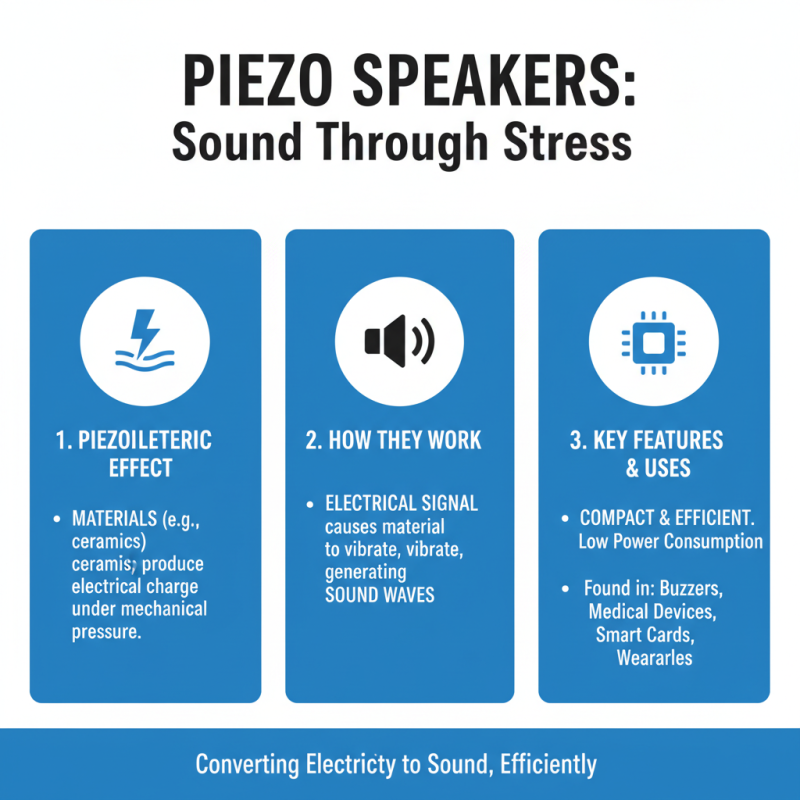
A piezo speaker is a unique type of sound device that utilizes the piezoelectric effect. This effect occurs when certain materials generate an electrical charge when subjected to mechanical stress. This ability allows piezo speakers to convert electrical signals into sound. They are compact and efficient, making them popular in various electronic devices.
Constructed with a thin layer of piezoelectric material, these speakers vibrate to produce sound waves. The vibrations come from the rapid expansion and contraction of the material. They can create distinct tones and are often used in alarms, toys, and simple musical devices. Many people appreciate their simplicity, yet others find them limited. The sound quality can sometimes be harsh or narrow.
In DIY projects, using piezo speakers can be rewarding. They are easy to use and require minimal components. However, achieving desired sound quality may require practice. Some may struggle with tuning their devices for better audio output. Experimenting with different materials for the diaphragm can lead to varying results. This uncertainty can be frustrating but also sparks creativity and innovation.
Understanding the Components of a DIY Piezo Speaker
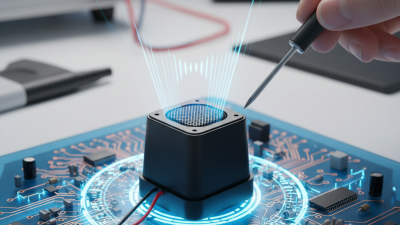
A DIY piezo speaker is a fascinating project for hobbyists. It mainly consists of a piezoelectric element, some wires, and a power source. The piezo element vibrates to create sound when an electric current passes through it. It's a simple yet efficient way to produce audio.
The components are easy to find. You can often use recycled parts, like an old toy speaker. Connecting the wires is straightforward. Just make sure that the polarity is correct. The challenge often lies in tuning the sound. Different voltages can change the pitch. Experimenting with different power sources will lead to varying results.
One might overlook the casing. A well-designed enclosure can enhance sound quality greatly. Using materials like cardboard or plastic can impact the speaker’s resonance. Sourcing local materials can be rewarding, yet might present unexpected challenges. In the end, learning from each setup brings invaluable insight into the world of sound engineering.
The Working Principle of Piezoelectricity in Sound Production
Piezoelectricity is a fascinating phenomenon that lies at the heart of DIY piezo speakers. These small devices can convert electrical energy into mechanical energy. This action produces sound. When an electric current flows through the piezo element, it vibrates. These vibrations create sound waves in the air. It's a simple yet effective method for sound production.
The piezoelectric effect relies on specific materials, such as ceramics. They generate electricity when pressure is applied. In a piezo speaker, this principle works in reverse. Electric signals cause the material to flex and produce sound. This process is not always perfect. Sometimes, the sound quality may vary based on the material's response. Factors like size and shape also influence performance. This unpredictability can lead to interesting outcomes, especially for hobbyists.
Many enthusiasts experiment with these speakers. They explore different configurations and materials. Each attempt can yield surprising results. However, not every project turns out as planned. Miscalculations can lead to poor sound quality. This journey encourages reflection and learning from mistakes. While DIY piezo speakers may not always produce high-fidelity sound, they spark creativity and innovation.
Piezoelectric Speaker Sound Frequency Analysis
This bar chart illustrates the sound intensity levels produced by a DIY piezo speaker across various frequencies. The intensity varies significantly with frequency, showcasing the speaker's efficiency in sound production.
Steps to Build Your Own DIY Piezo Speaker
Building your own DIY piezo speaker can be a fun and educational project. It offers a chance to explore sound creation using basic materials. To get started, gather a piezo element, a few wires, and a small power source. The average cost of these components is around $5 to $10. Many enthusiasts choose these speakers for their simplicity and effectiveness.
Connect the piezo element to your power source. Make sure to observe the polarity. You might find it tricky to get the connections just right. Soldering may be required for a permanent setup. A breadboard can assist in testing configurations without commitment. Test your speaker by playing simple tones from an audio source. This step may require some tweaking for optimal sound quality.
It’s crucial to realize that the sound produced will not match high-end speakers. Expect a limited frequency response and quieter output. Experimenting with different setups may yield unexpected results. Be prepared to adjust your design. Sometimes, trial and error will lead to success. Even if the first attempt fails, each effort teaches valuable lessons.
Applications and Uses of DIY Piezo Speakers in Projects
DIY piezo speakers offer exciting applications in various projects. These compact devices can transform electrical signals into sound. Their simplicity allows for a wide range of creative uses. From basic sound effects in toys to more complex audio projects, the possibilities are endless.
In educational settings, DIY piezo speakers help teach electronics concepts. Students can learn about circuits and sound production hands-on. They can create alarms or alerts for different projects, adding a fun twist to learning. For hobbyists, these speakers offer a way to experiment with sound design. One can easily create unique tones or melodies by adjusting the input frequency.
However, there are challenges when using piezo speakers. They might not produce the best sound quality, leaving some projects lacking. The sound can often be too loud or distorted if not set up properly. It’s crucial to experiment with different setups. Finding the right balance takes time and patience. Each project can teach valuable lessons about sound engineering. The journey can highlight the importance of trial and error in the creative process.
What is a DIY Piezo Speaker and How Does It Work? - Applications and Uses of DIY Piezo Speakers in Projects
| Feature |
Description |
| Type |
Ceramic |
| Operating Voltage |
5V - 12V DC |
| Frequency Range |
2 kHz - 20 kHz |
| Applications |
DIY Projects, Alarm Systems, Toys |
| Sound Pressure Level |
~85 dB at 1 kHz |
| Connection Type |
Wires |
| Size |
Various sizes (typically 20mm - 40mm) |
| Do It Yourself (DIY) Aspects |
Easily assembled with basic components |