How to Choose the Right Piezoelectric Buzzer for Your Project?
The selection of a piezoelectric buzzer is crucial for many electronic projects. According to the market report from ResearchAndMarkets, the piezoelectric devices market is projected to grow significantly, reaching over $25 billion by 2024. This growth indicates a rising demand for reliable audio signaling solutions across various industries.
When choosing a piezoelectric buzzer, several factors must be considered. The size, frequency range, and sound pressure level play vital roles. A report by MarketsandMarkets highlights that 42% of engineers prioritize sound quality, while 25% focus on energy efficiency. Poor choices can lead to inadequate performance, ultimately impacting project outcomes.
Some buzzers may not meet specific project requirements. This discrepancy can result in diminished effectiveness and wasted resources. It's essential to investigate specifications thoroughly. Embracing this attention to detail can enhance both product quality and user satisfaction in the long run.
Understanding Piezoelectric Buzzers and Their Applications
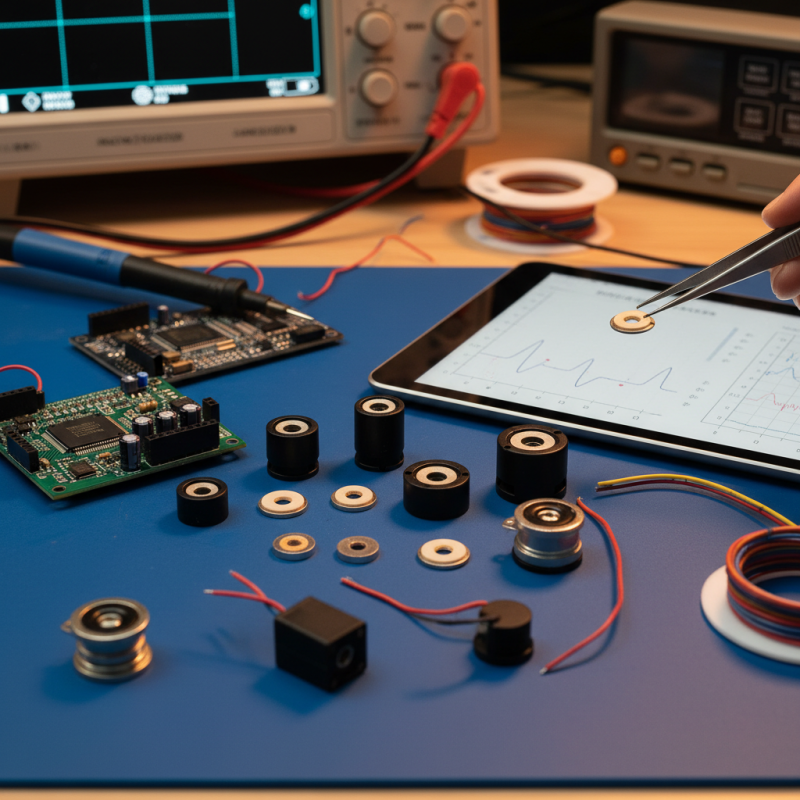
Piezoelectric buzzers are versatile sound-producing devices used in various applications. They transform electrical energy into mechanical movement, creating sound. Their simplicity and efficiency make them popular in alarms, indicators, and toys. Understanding how they work is crucial before integrating them into your project.
These buzzers come in different types and sizes. Some are small, while others can be larger for specific applications. For example, a tiny buzzer might fit well in a smartphone, while a larger one suits an alarm system. The frequency of sound produced is also an important consideration. A high-frequency buzzer may create piercing tones suitable for alarms, while a lower frequency could serve well in musical applications. It's essential to match the buzzer's characteristics with your project's requirements.
However, selecting the right piezoelectric buzzer can be challenging. Misjudging the size or frequency can lead to unexpected results. Your application may not sound as intended, which requires reevaluation. Testing different buzzers is critical. Listen to the sound output and assess the performance. It may take time to find the perfect match, but this process will refine your project's final outcome.
Key Factors to Consider When Choosing a Piezoelectric Buzzer
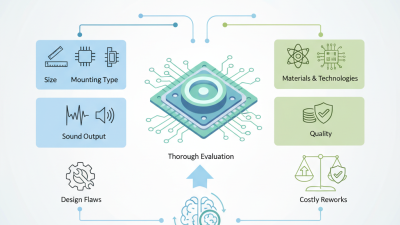
When choosing the right piezoelectric buzzer, consider several key factors.
The sound output level is crucial. A high-decibel buzzer may not be suitable for a quiet environment.
Look for buzzers with adjustable volumes if flexibility is needed.
The operating voltage is another important aspect. Ensure the buzzer matches the power supply of your project.
If the voltage is too high, it can damage the buzzer. Conversely, a low voltage might lead to insufficient sound output.
Tips:
Always check the specifications before making a purchase. Sometimes, the listed decibel level may not match real-world performance.
Conduct sound tests if possible.
This can save time and avoid frustration later. Lastly, plan for potential setbacks.
A buzzer that fits perfectly today might not suit your project tomorrow.
Always keep future needs in mind.
Comparing Different Types of Piezoelectric Buzzers
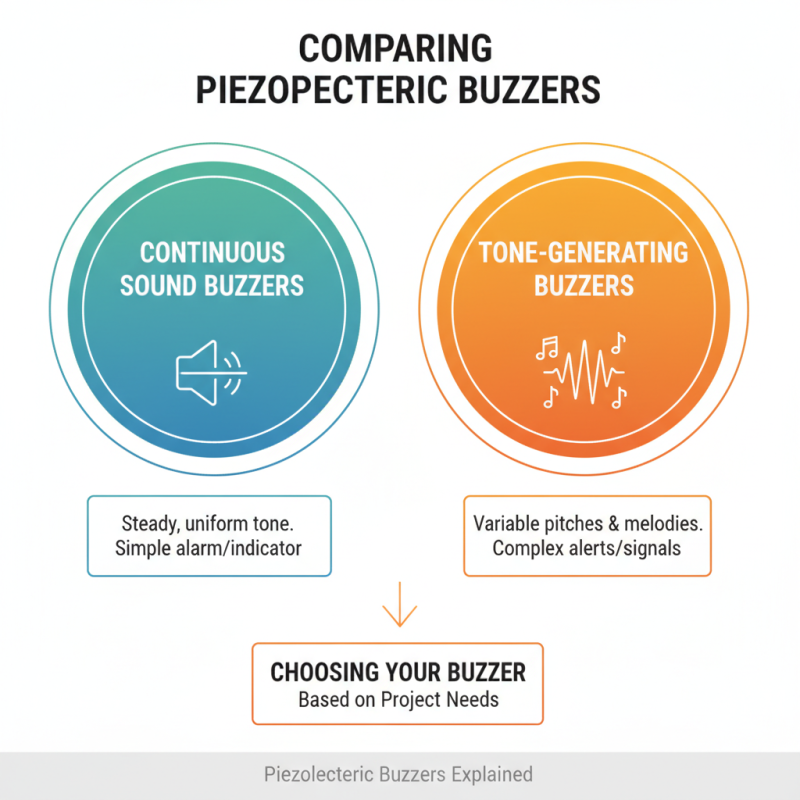
When selecting a piezoelectric buzzer, it's essential to understand the types available. There are two main categories: continuous sound buzzers and tone-generating buzzers. Continuous buzzers produce a steady tone, while tone-generating types can create various pitches. Your choice depends on your project’s specific needs.
For example, if you need an alert sound for an alarm system, a continuous buzzer might be ideal. In contrast, for applications like musical devices, a tone-generating buzzer would provide better versatility. Consider size and mounting options as well. Ensure the buzzer fits well in your design.
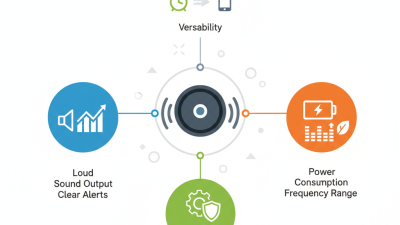
Tips: Think about volume requirements. Some buzzers are louder than others. Also, pay attention to power consumption. A low power buzzer can be crucial for battery-operated projects. Check the frequency range too. A wider range can enhance sound quality. Reflect on the environment as well. Noisy surroundings might require louder options.
Don't overlook the importance of testing different models. Not every buzzer will meet your expectations. You might find that a specific type doesn’t work as intended. Trying out various options can lead to surprising discoveries. Consider feedback loops in your design to fine-tune the buzzer selection.
Evaluating Technical Specifications for Your Project Requirements
When selecting a piezoelectric buzzer, understanding technical specifications is crucial. Start with the frequency range. Most buzzers operate in a range from 2 kHz to 20 kHz. This frequency impacts the sound produced. A lower frequency may result in deeper tones. Higher frequencies can create sharper sounds. Consider what suits your project best.
Next, examine the voltage and current specifications. Different devices require various power levels. Some buzzers function well on low voltage. Others may need more power to operate effectively. It's essential to match the buzzer's requirements with your project's power source. These details can change the efficiency of your project.
Sound level is another important factor. Some buzzers can produce sounds at 85 dB or more. However, others might be much quieter, producing only 70 dB. Evaluate the environment where the buzzer will be used. Will it drown out background noise? Or will it be barely audible? Reflecting on these choices will help refine your project’s effectiveness. It's not just about picking the loudest or the smallest. Understanding the nuances can lead your project in the right direction.
Budget Considerations and Sourcing Options for Buzzers
When selecting a piezoelectric buzzer, budget considerations play a crucial role. Prices can vary significantly based on specifications and quality. It is essential to define your project requirements before shopping. Low-cost buzzers may suffice for simple applications. However, more advanced functionalities often come with higher price tags.
Sourcing options are another critical aspect. Online marketplaces offer a wide range of choices. Some platforms provide user reviews, which can guide your decision-making process. Local electronics stores may stock buzzers too. However, selection may be limited. Comparing prices across different sources is vital to stay within budget. It’s also wise to account for shipping costs.
Sometimes, you might find yourself overestimating the budget. You could spend more than intended, driven by flashy features. In contrast, a basic model might perform adequately for your needs. Reflecting on your project's core requirements can save costs. Striking a balance between budget and performance remains essential for optimal results.
Budget Considerations for Piezoelectric Buzzers