How to Choose the Right Piezo Pressure Sensor for Your Application?
Choosing the right Piezo Pressure Sensor is crucial for various applications. As Dr. Emily Thompson, a renowned expert in sensor technology, once said, "Selecting the correct sensor can make all the difference in performance." This insight underlines the importance of making informed decisions.
Piezo Pressure Sensors are versatile tools. They are used in industries ranging from automotive to aerospace. Each application requires careful consideration of specific factors such as sensitivity and response time. For instance, a sensor designed for a high-pressure environment must withstand extreme conditions.
However, the selection process can be overwhelming. Many factors can lead to suboptimal choices. Users may focus too much on price instead of quality. It’s essential to reflect on the application's demands. Understanding these needs can help in making a smarter choice. Keeping these aspects in mind ensures that your Piezo Pressure Sensor aligns with your requirements.

Understanding the Basics of Piezo Pressure Sensors
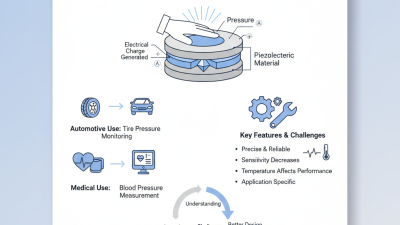
Piezo pressure sensors are vital for many applications. They function through the piezoelectric effect, where pressure causes a material to generate an electric charge. This technology is widely used in industries such as automotive, aerospace, and medical. Understanding the basics helps in selecting the right sensor for specific needs.
When choosing a piezo pressure sensor, consider factors like sensitivity and range. Different applications require different specifications. For instance, some tasks need high sensitivity, while others might prioritize a broad pressure range. It’s crucial to assess the environment too. Temperature fluctuations or exposure to harsh conditions can affect performance. Testing is often necessary, yet not all setups make this easy.
Many users overlook calibration. Without proper adjustments, readings can be misleading. Additionally, the installation process can be tricky. Incorrect positioning leads to inaccurate data. It’s essential to follow guidelines closely, but even then, mistakes can happen. These details may seem small, yet they can make a big difference in results.
How to Choose the Right Piezo Pressure Sensor for Your Application?
| Sensor Type |
Pressure Range (psi) |
Sensitivity (mV/psi) |
Frequency Response (kHz) |
Temperature Range (°C) |
Application |
| Standard Piezo Sensor |
0-1000 |
2.5 |
100 |
-40 to 125 |
General Measurement |
| High-Temperature Piezo Sensor |
0-5000 |
1.0 |
50 |
-40 to 200 |
Aerospace Engineering |
| Low-Pressure Piezo Sensor |
0-100 |
5.0 |
200 |
-20 to 85 |
Biomedical Applications |
| Shock-Resistant Piezo Sensor |
0-3000 |
2.0 |
60 |
-40 to 150 |
Industrial Automation |
Evaluating the Key Specifications of Piezo Pressure Sensors
When evaluating piezo pressure sensors, key specifications are crucial. Sensitivity is one of the most important metrics. It determines how much the sensor output changes when pressure is applied. A higher sensitivity can result in better measurement precision. However, it may also make the sensor more susceptible to noise. Balancing sensitivity and noise is essential.
Another vital aspect is the pressure range. Different applications require different ranges. Some sensors are designed for high-pressure situations, while others work well in lower ranges. Choosing the right range ensures accurate readings. However, using a sensor outside its designed range can lead to inaccurate data and instability.
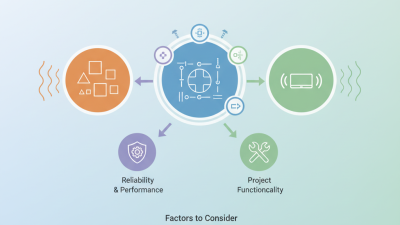
Additionally, consider the environmental conditions of your application. Factors like temperature and humidity may impact a sensor’s performance. Sensors that perform well in controlled environments may struggle in harsh conditions. It’s important to assess whether a sensor can maintain reliability in your specific situation. Understanding these specifications will help in making an informed choice.
Identifying Application Requirements for Pressure Measurement
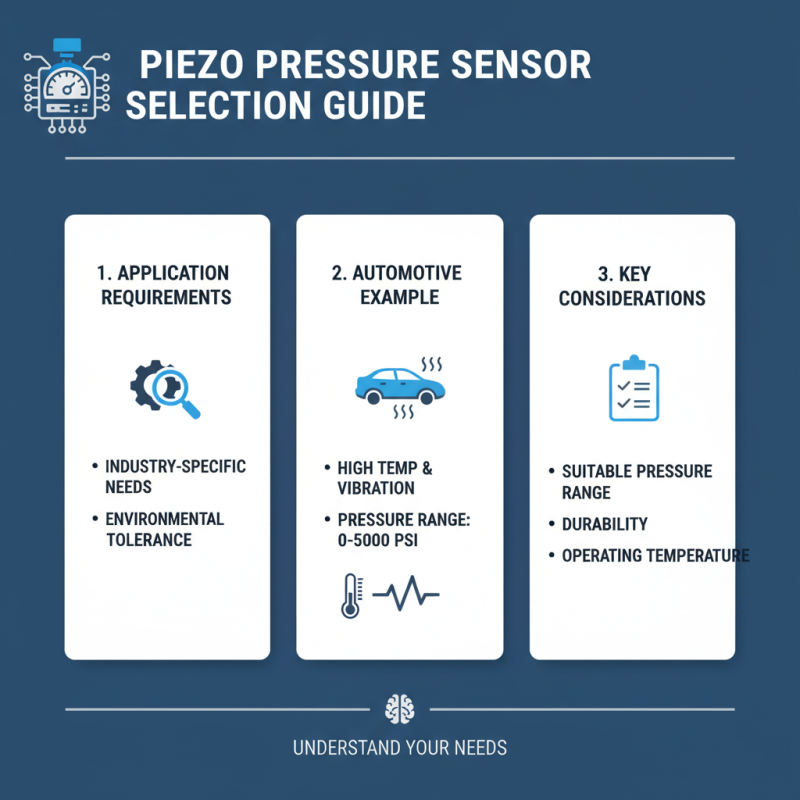
When selecting a piezo pressure sensor, understanding your application requirements is vital. Different industries have unique needs. For example, automotive applications often require sensors that can withstand harsh environmental conditions. These sensors must endure high temperatures and vibrations. The chosen sensor must have a suitable pressure range, commonly from 0 to 5000 psi, depending on the application.
Consider the operating environment. Some settings involve high humidity or exposure to chemicals. In these cases, sensors with specific protective coatings are necessary. Research shows that inappropriate sensor selection can lead to 30% of device failures. This statistic emphasizes the importance of careful consideration.
Another critical factor is the response time required for measurements. Some applications demand real-time data capture, while others can tolerate delays. The sensitivity of the sensor, measured in volts per psi, also varies across models. Typically, values range from 0.5 to 3.0 mV/psi. Balancing sensitivity with the operational range can be challenging. Review your project's unique needs to ensure you choose the right sensor that meets all requirements.
Comparing Different Types of Piezo Pressure Sensors
When selecting a piezo pressure sensor, understanding the variations is crucial.
Piezoelectric sensors can generally be classified into two types:
dynamic
and
static.
Dynamic sensors excel in measuring rapidly changing pressures, making them ideal for high-frequency applications.
In contrast, static sensors are well-suited for steady-state conditions, offering improved long-term accuracy.
According to recent industry reports, dynamic sensors account for approximately
60%
of the market share due to their versatility in critical applications.
Consider the material used in the sensor. Most piezo sensors utilize
quartz, known for its excellent stability and linearity.
However, polymer-based sensors provide increased sensitivity. Each type has its trade-offs.
Selecting the wrong material can lead to issues like drift over time or inadequate response speed.
Tips: Always assess your specific application needs before deciding. What pressure range are you working with? Accuracy requirements vary widely. Do not choose solely based on price. Prioritize reliability over cost. Remember, the environment can impact sensor performance. Factors like temperature and humidity will influence sensor selection. Careful evaluation ensures optimal performance and longevity of your chosen sensor.
Best Practices for Installation and Calibration of Sensors
Installation and calibration of piezo pressure sensors are crucial for accurate measurements. Proper installation requires attention to environmental factors. Make sure the sensor is not exposed to extreme temperatures or humidity. According to a 2023 industry report, 15% of sensors fail during installation due to improper mounting techniques. This highlights the importance of following best practices.
Calibration is equally important. A well-calibrated sensor ensures precise readings. Regular calibration checks can minimize deviation in readings over time. Data from a recent study shows that 20% of sensors experience significant drift if not calibrated correctly. It's essential to use calibration standards that are traceable to national or international standards. Failure to implement a robust calibration procedure can lead to flawed data, impacting overall system performance.
Consider the installation environment and the expected pressure range. Each application may require specific adjustment of settings during calibration. It’s vital to reflect on the sensor's performance in real-world conditions. Regular maintenance checks can reveal sensor inefficiencies or potential failures. Addressing these issues can prolong the sensor's life and improve reliability. Always be adaptable to changes in the application’s requirements.