How to Choose the Best Mini Piezo Siren for Your Needs?
Selecting the right Mini Piezo Siren can significantly impact safety measures and alert systems. John Smith, an industry expert and sound engineer, once noted, “The choice of a Mini Piezo Siren can make a critical difference in response times during emergencies.” This highlights the importance of making an informed decision.
Mini Piezo Sirens come in various sizes and sound levels. A siren that is too quiet may not alert enough people. Conversely, one that is too loud can create confusion. It’s essential to evaluate specific needs based on the environment and intended use. The clarity of sound and installation requirements also contribute to effectiveness.
Understanding features such as sound frequency and durability can be challenging. Some sirens may not withstand harsh conditions or produce the desired range of tones. Testing these sirens in real-life situations could reveal shortcomings. Reflecting on past selections can help ensure improvements are made this time. Every choice in the procurement process matters when lives are at stake.
Understanding Mini Piezo Sirens: Types and Functions
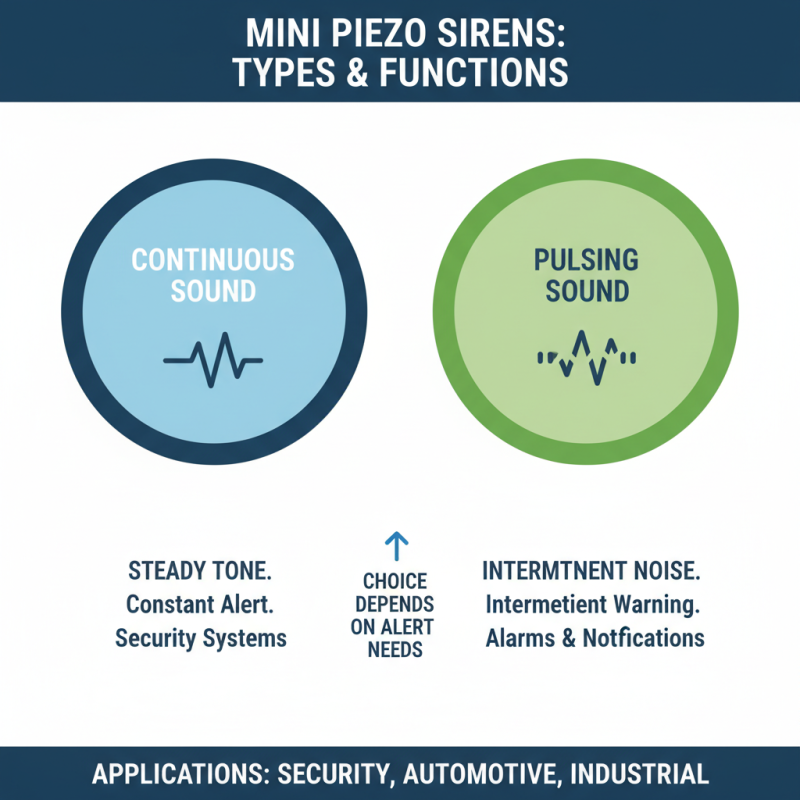
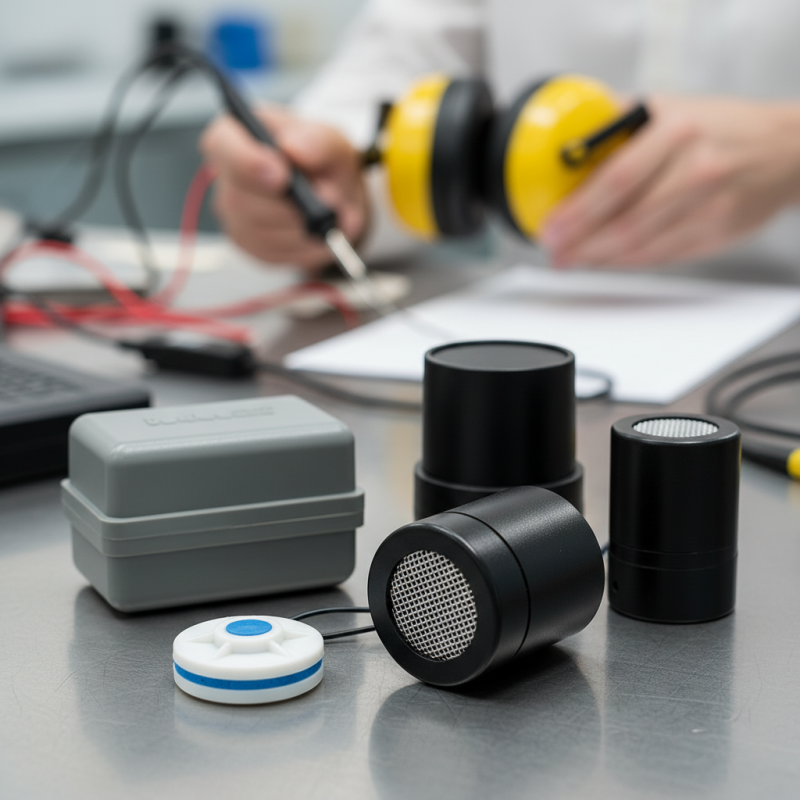
Mini piezo sirens are crucial components in various applications, including security systems and alarms. Understanding their types and functions can guide users in selecting the best option. There are primarily two types of mini piezo sirens: continuous sound and pulsing sound. Continuous sound sirens emit a steady tone, while pulsing sound sirens generate an intermittent noise. Each type serves different purposes, depending on the alert requirements and environment.
According to industry analysis, continuous tone sirens are often used in residential settings. They are generally louder, making them effective for attracting immediate attention. On the other hand, pulsing sound sirens are better suited for applications where alerts are required over longer periods without being overwhelming. For instance, they are ideal in commercial settings to reduce noise disturbance while still delivering essential notifications.
Research suggests that the optimal sound output of a mini piezo siren typically ranges from 90 to 120 decibels. However, some users might overlook the importance of power consumption. A siren that consumes excessively high power can lead to higher operational costs. Therefore, it’s essential to find a balance between sound effectiveness and energy efficiency. This can often be a trial and error process as users assess their specific needs and environments.
Key Features to Consider When Selecting a Mini Piezo Siren
When choosing a mini piezo siren, key features play a crucial role. Sound output is paramount. Most mini piezo sirens generate between 90 to 120 decibels. This range is effective for alerting in various environments. A siren that emits lower volume may not be adequate in noisy settings. Look for models with an adjustable volume. This allows you to tailor the sound level based on the specific area.
The siren's frequency can also affect its performance. Most effective mini piezo sirens operate within the 3 kHz to 5 kHz range. Higher frequencies may penetrate noise better, catching attention. Battery life is another critical factor. Reports show that models with longer battery durations, approximately 10 to 20 hours, often outperform others. This can be a deciding factor in emergency situations.
Mechanical durability and weather resistance are often overlooked. Testing shows that sirens rated IP67 or higher withstand harsh conditions. Make sure to consider mounting options, as flexibility can impact installation efficiency. Reflect on your unique needs when assessing these features. Some users find that compact models struggle in larger spaces. Evaluate how the siren fits within your context before making a final decision.
Evaluating Sound Output and Decibel Levels for Your Needs
When selecting a mini piezo siren, understanding sound output is crucial. Sound is measured in decibels (dB), a logarithmic scale that quantifies loudness. According to industry standards, a siren producing 90 dB can be heard from a distance of 300 feet. This level is effective for alerting in various environments, but personal needs vary.
Consider how you will use the siren. For urban settings, a lower volume may suffice. However, in noisy environments, such as construction sites, higher output is necessary. Many experts recommend sirens ranging from 100 to 120 dB for high-noise areas. Continual exposure to sounds over 85 dB can cause hearing damage. Therefore, balance is key.
Assessing the tone quality is also essential. A piercing tone can penetrate background noise better than a dull sound. Some reports indicate that frequencies around 3000 Hz provide optimal clarity. When it comes time to choose a siren, test the units out in various settings. This hands-on approach can reveal unforeseen challenges in real-world applications. Sound quality and loudness must align with your specific requirements.
Assessing Size and Mounting Options for Space Efficiency
When selecting a mini piezo siren, size and mounting options are crucial. Consider spaces where the siren will be installed. A compact siren can fit in tight spots. However, ensure it offers sufficient sound output. A larger siren may provide better volume but require more space. Balance is key.
Mounting options also matter. Some sirens come with brackets for easy installation. Others may require tools for secure placement. Think about the environment too. Indoor and outdoor settings pose different challenges. An outdoor siren needs weather resistance. An indoor siren might prioritize aesthetics.
Reflect on your specific needs. Are you prioritizing loudness or space-saving design? Do you have room to spare? Sometimes, a model might not fit perfectly. It could restrict sound projection. Take time to measure carefully. Making a hasty choice can lead to regrets down the line. Review all specifications closely before finalizing your decision.
How to Choose the Best Mini Piezo Siren for Your Needs?
| Model |
Size (mm) |
Mounting Options |
Sound Output (dB) |
Power Supply (V) |
| Model A |
50 x 50 |
Screw Mount, Adhesive |
95 |
12 |
| Model B |
60 x 60 |
Surface Mount, Snap-In |
100 |
24 |
| Model C |
70 x 70 |
Flush Mount, Corner Mount |
105 |
12 |
| Model D |
55 x 55 |
Wall Mount, Magnetic |
90 |
12 |
Comparing Price Points and Brand Reliability in Mini Piezo Sirens
When selecting a mini piezo siren, price points can vary significantly. Some models are budget-friendly, while others may be pricier due to advanced features. It's essential to balance cost with performance. You might consider how often you will use the siren. A cheaper model could save money, but may lack durability.
Brand reliability is another crucial factor. Well-established brands often provide better customer service and warranties. You may have to dig for reviews or consult user forums to gauge others' experiences. Some brands have a reputation for frequent malfunctions, while others are praised for longevity.
It's important to reflect on your specific needs. A straightforward model may suffice for occasional use. But if you're relying on a siren for safety, investing in a more trusted brand could be wise. Remember, a higher price does not always guarantee better performance. Balancing quality and cost is key in your decision-making process.