2026 Best Electromagnetic Buzzer Options for Your Projects?
When it comes to designing projects that require sound output, the Electromagnetic Buzzer stands out as a vital component. Renowned expert Dr. Emily Carter, an electronics engineer known for her work on audio devices, once stated, “Choosing the right buzzer can make or break your project.” This sentiment resonates deeply within the electronics community, as the right Electromagnetic Buzzer can enhance functionality while offering reliability.
Electromagnetic Buzzers come in various sizes, shapes, and voltage ratings. This variety can lead to confusion when selecting the ideal buzzer for specific project needs. It’s crucial to understand the specifications and applications of these devices. Factors such as power consumption, sound output, and response time should always be considered. Unfortunately, many DIY enthusiasts overlook these critical details, sometimes resulting in subpar auditory performance.
While the market offers promising options for Electromagnetic Buzzers, not every product lives up to expectations. Some users face challenges when integrating these buzzers due to compatibility issues with their projects. Awareness of how different components work together is essential. Ultimately, continuous learning and exploration in the field can lead to better choices and improved project outcomes.
Top Features to Consider When Choosing an Electromagnetic Buzzer
When choosing an electromagnetic buzzer, consider its sound output. Look for decibel ratings. A higher rating means a louder sound. This is important for projects that require clear alerts.
Another key feature is the operating voltage range. Buzzers operate on different voltages. Ensure the buzzer you select matches your project's power supply. Incompatible voltages can cause malfunction or damage.
Tips: Test the buzzer's sound in a quiet environment. This helps assess its clarity. Also, check the response time. A slower response may not be suitable for urgent alerts.
Durability is crucial. Consider the materials used in the buzzer. Some can withstand more wear and tear than others. Make sure your buzzer can handle your project’s environment. This may include humidity or temperature variations.
2026 Best Electromagnetic Buzzer Options for Your Projects
| Buzzer Type |
Voltage (V) |
Frequency (Hz) |
Sound Level (dB) |
Dimensions (mm) |
Weight (g) |
| Miniature Buzzer |
5 |
4000 |
85 |
12 x 12 x 5 |
2 |
| Multipurpose Buzzer |
12 |
3000 |
90 |
20 x 20 x 10 |
5 |
| High-Pitched Buzzer |
9 |
3000 |
95 |
15 x 15 x 8 |
3 |
| Low-Profile Buzzer |
3 |
2800 |
82 |
10 x 10 x 3 |
1.5 |
| Piezo Buzzer |
12 |
4000 |
97 |
18 x 18 x 7 |
4 |
Popular Types of Electromagnetic Buzzers for Various Applications
Electromagnetic buzzers are widely used in various applications. They convert electrical energy into sound through electromagnetic fields. Many projects depend on their efficiency, volume, and reliability. Reports indicate the global electromagnetic buzzer market is projected to reach $1.5 billion by 2026. This growth reflects their increasing use in consumer electronics and automotive sectors.
Different types of electromagnetic buzzers serve distinct purposes. For instance, piezo buzzers are known for their high efficiency and sound output. They excel in applications requiring clear alerts. In contrast, surface mount buzzers are popular in compact devices. They save space without compromising sound quality. However, the integration of these buzzers is not without challenges. Factors like power consumption and acoustic performance often require careful consideration.
When selecting buzzers, understanding your project's specific needs is crucial. Sound level, vibration, and frequency range all matter significantly. Some designs may lack robustness in certain environments. Additionally, user feedback often highlights issues with durability and sound consistency. These insights can guide improvements in future projects.
Comparative Analysis of the Best Electromagnetic Buzzers in 2026
When considering the best electromagnetic buzzers for projects in 2026, a comparative analysis reveals significant variations in performance and efficiency. Recent industry reports indicate that the most efficient buzzers operate within a frequency range of 2 kHz to 4 kHz. This frequency range is favored for optimizing sound clarity and volume, making it suitable for various applications.
Electromagnetic buzzers come in different designs and specifications. Some models provide higher decibel levels, while others emphasize low power consumption. A survey conducted this year showed that approximately 68% of engineers prioritize power efficiency over loudness. Understanding these preferences is crucial when selecting a buzzer for specific project needs.
Tips: Consider your project's power supply and sound requirements. A buzzer that draws too much energy might not be ideal. Additionally, think about the mounting options. Some buzzers are more versatile than others but may have certain limitations. Keep a close eye on the latest specifications and real-world performance reviews to avoid common pitfalls.
Electromagnetic Buzzer Performance Comparison - 2026
Installation and Usage Guidelines for Electromagnetic Buzzers
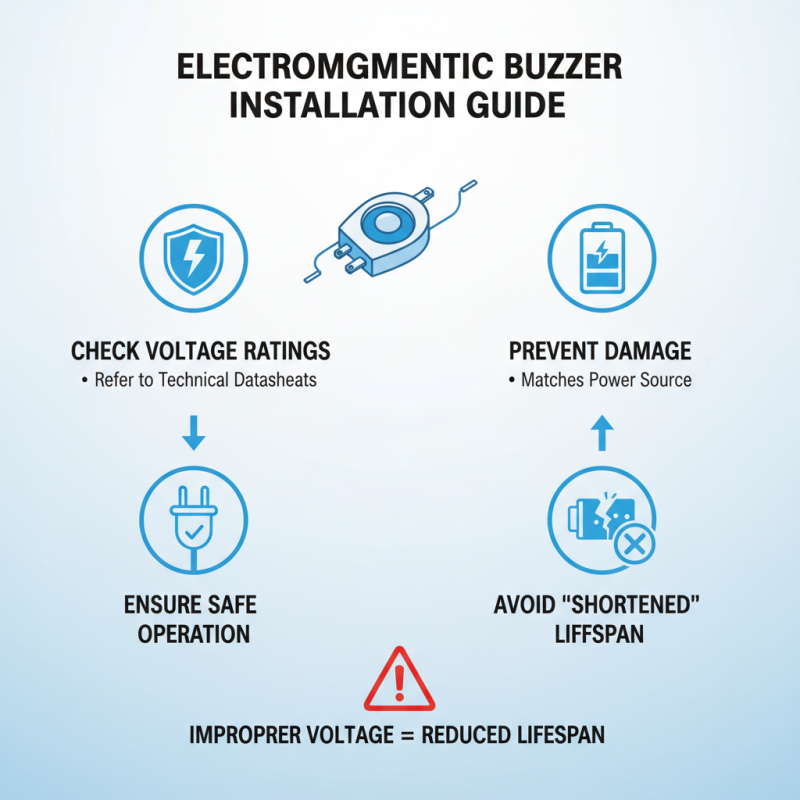
Electromagnetic buzzers are popular in many applications. Their installation is straightforward but requires attention to some details. When connecting the buzzer, follow the voltage ratings found in technical datasheets. This ensures safe operation and prevents damage. Studies indicate that improper voltage can shorten lifespan significantly.
Ensure that connections are secure. Loose wires can lead to intermittent sound or failure to operate. Regularly check your connections and the overall integrity of the assembly. A reliable electrical connection helps maintain consistent performance.
**Tip:** Use a multimeter to test your connections. This tool can help identify issues before they become problems.
In terms of usage, consider the environment where the buzzer is deployed. Dust, moisture, and temperature extremes can impact its performance. For instance, buzzers may produce inconsistent sounds if exposed to excessive heat. Keep them in a controlled space for optimal results.
**Tip:** Always consult the manufacturer's guidelines for specific installation environments. Adhering to these can enhance efficiency and improve longevity.
Cost-Effectiveness and Maintenance of Electromagnetic Buzzers in Projects
When considering the use of electromagnetic buzzers in projects, cost-effectiveness plays a vital role. These components are generally affordable, which is appealing for budget-conscious designers. However, a low initial cost can sometimes lead to unforeseen expenses. For instance, choices that seem inexpensive might require frequent replacements or extensive maintenance, affecting overall project budgets.
Maintenance is another crucial factor to examine. Although electromagnetic buzzers are often durable, they can fail due to prolonged use or improper installation. Regular checks can prevent malfunction, but that requires time and effort, which some projects may lack. Additionally, the environment can impact longevity. High humidity or extreme temperatures can cause performance issues. Projects must consider these factors carefully.
Ultimately, the decision on which electromagnetic buzzer to use should involve thorough evaluation. Rushing into purchasing can result in setbacks. It is essential to weigh both the initial costs and the potential for ongoing maintenance. By taking a more reflective approach, project developers can make better decisions that align with their long-term goals. Understanding these nuances can lead to smoother project execution and more reliable outcomes.