What is the Best B20 Buzzer for Your Needs?
When choosing the best B20 buzzer, understanding specific needs is crucial. According to the latest market research by Industry Insights, the B20 buzzer segment is expected to grow by 15% each year. This growth is driven by various industries, including automotive and consumer electronics. Expert Mike Reynolds from SoundTech states, "Selecting the right buzzer can significantly impact product performance."
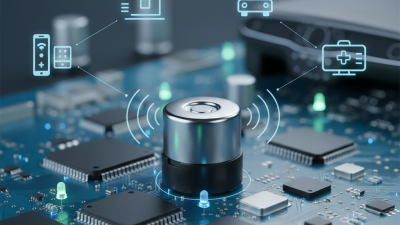
The B20 buzzer offers unique features tailored for various applications. Its compact size and high-frequency output make it suitable for notifications in tight spaces. However, not every B20 buzzer will meet every requirement. Potential users must consider factors such as volume, tone, and installation ease to find a match.
Selecting a buzzer is not always straightforward. Some may face challenges in balancing performance and size. There is also the possibility of misjudging the required specifications, leading to suboptimal choices. Careful evaluation and expert consultation can mitigate these risks.
Understanding B20 Buzzers: Features and Specifications
B20 buzzers are versatile components often used in various electronic projects. Understanding their features and specifications is crucial to making the right choice. These buzzers can typically be categorized into active and passive types. Active buzzers produce sound when voltage is applied, while passive buzzers require a signal to create sound. Depending on your application, you may prefer one type over the other for efficiency or simplicity.
Sound levels are another important aspect. B20 buzzers vary in loudness. Factors such as operating voltage and frequency affect performance. Selecting a buzzer with the appropriate decibel level is critical for applications requiring clear alerts. Additionally, size and mounting options can also influence your choice. Some buzzers might be too bulky for compact designs.
When searching for the ideal B20 buzzer, consider environmental factors too. Temperature and humidity can impact longevity and performance. Reviews and user experiences provide insights but may not guarantee uniform results. Testing a few models in your specific application is often necessary. This hands-on approach can lead to optimal selections tailored to your needs, minimizing the risk of frustration later on.
Types of B20 Buzzers: Which One Suits Your Application?
When considering B20 buzzers, it's essential to identify the right type for your application. Various types of buzzers serve distinct purposes. The piezoelectric buzzer is known for its high efficiency and long lifespan, making it ideal for demanding environments. Reports indicate that piezoelectric buzzers can deliver sound pressure levels exceeding 100 dB, offering strong performance for alarms and notifications.
Another option is the electromagnetic buzzer, which operates on a different principle. These buzzers produce sound by moving a diaphragm through electromagnetic forces. They are often preferred in applications requiring a rich sound spectrum, such as consumer electronics. Industry analyses show that electromagnetic buzzers typically enhance design and user experience in portable devices, thanks to their sound quality.
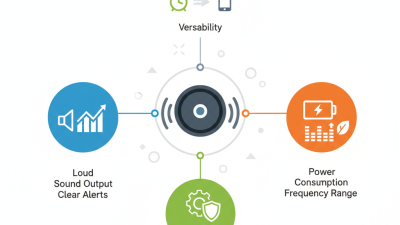
In the realm of applications, choosing between these buzzers is not always straightforward. Installation requirements, sound characteristics, and power consumption need careful evaluation. For example, piezoelectric buzzers may require specific drive circuits, while electromagnetic models need sufficient power to operate efficiently. Understanding these details can greatly influence the project’s outcome, ensuring the selected buzzer truly meets user needs.
What is the Best B20 Buzzer for Your Needs? - Types of B20 Buzzers: Which One Suits Your Application?
| Type |
Frequency (kHz) |
Voltage (V) |
Sound Level (dB) |
Power Consumption (mA) |
Suitable Applications |
| Standard Buzzer |
2.5 |
5 |
80 |
20 |
Alarm Systems, Announcements |
| Piezo Buzzer |
3.5 |
12 |
90 |
15 |
Toys, Electronic Devices |
| Magnetic Buzzer |
4.0 |
9 |
70 |
30 |
Home Appliances, Signal Indicators |
| Vibration Buzzer |
5.0 |
3 |
75 |
25 |
Wearable Devices, Mobile Phones |
Factors to Consider When Choosing a B20 Buzzer
When selecting a B20 buzzer, several factors come into play. The sound level is crucial. Different applications require varying sound intensities. A louder buzzer may be necessary for industrial settings, while quieter options might suit home use. Consider how the sound will be perceived in your environment.
Another important consideration is the power supply. Buzzers can operate on different voltages. Ensure the buzzer matches your system's requirements. Mismatched power levels may lead to malfunctions. Checking the specifications is vital before making a purchase.
Tips for selecting the right B20 buzzer: Start with the intended application. Assess how frequently the buzzer will be used. Additionally, look at the size and design. Some projects may require compact components, while others can accommodate larger units. Don't hesitate to ask experts for help. They can provide insights based on experience and knowledge. A well-informed choice brings reliability and efficiency to your project.
Top Brands and Models of B20 Buzzers Reviewed
When selecting the best B20 buzzer for your needs, it's essential to consider various brands and models available in the market. Each model has its strengths and weaknesses. Some buzzers excel in volume and tone clarity. Others may have advanced features like adjustable frequencies. Finding the right fit can be challenging, given the numerous options.
Popular brands often receive praise for their durability and ease of use. Many users report satisfaction with the sound quality. However, some models may fall short in terms of longevity. Issues with battery life or connection stability can arise. Users should reflect on their specific requirements, such as size or portability.
Reading reviews and feedback is invaluable. It provides insights into real-world experiences. Yet, reviews can also be biased or overly positive. It's wise to consider multiple opinions before making a decision. A diligent approach can lead you to a buzzer that truly meets your needs. Make sure to assess warranties and customer support as well; these factors often indicate product reliability.
Popularity of B20 Buzzers Based on Features
Installation and Usage Tips for B20 Buzzers
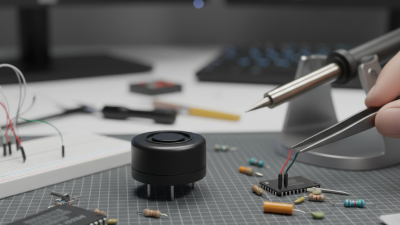
When selecting a B20 buzzer, proper installation is key. Start by identifying where the buzzer will be mounted. A flat, stable surface is ideal. Ensure the wiring is accessible to prevent future issues. Use appropriate tools for mounting, reducing the chance of misalignment. If it’s not secure, the buzzer could produce inconsistent sounds or fail altogether.
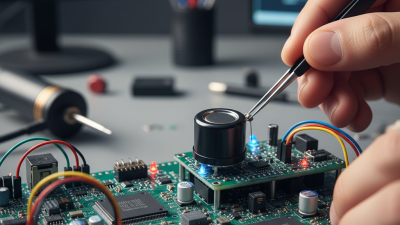
Wiring the B20 buzzer requires attention to detail. Strip the wires carefully to avoid damage. Connect them to the appropriate terminals as per the specifications. Double-check the connections before powering on. It’s important to test the buzzer after installation. Listen for any irregularities in sound. If issues arise, reevaluate the wiring. Sometimes, minor adjustments can make a significant difference.
Using the buzzer effectively means understanding its purpose. Do you need it for alerts or notifications? Familiarize yourself with the volume settings. If the sound is too low, it might be ineffective in noisy environments. Adjust as necessary based on your surroundings. Regular maintenance can also extend the lifespan of your buzzer. Dirt and dust can affect performance, so keep it clean.