Top B20 Buzzer Features and Benefits You Should Know?
The B20 Buzzer is a remarkable device with a range of features and benefits. This compact component serves various applications, from alarms to notifications. Its versatility is apparent in everyday use, especially in industrial settings.
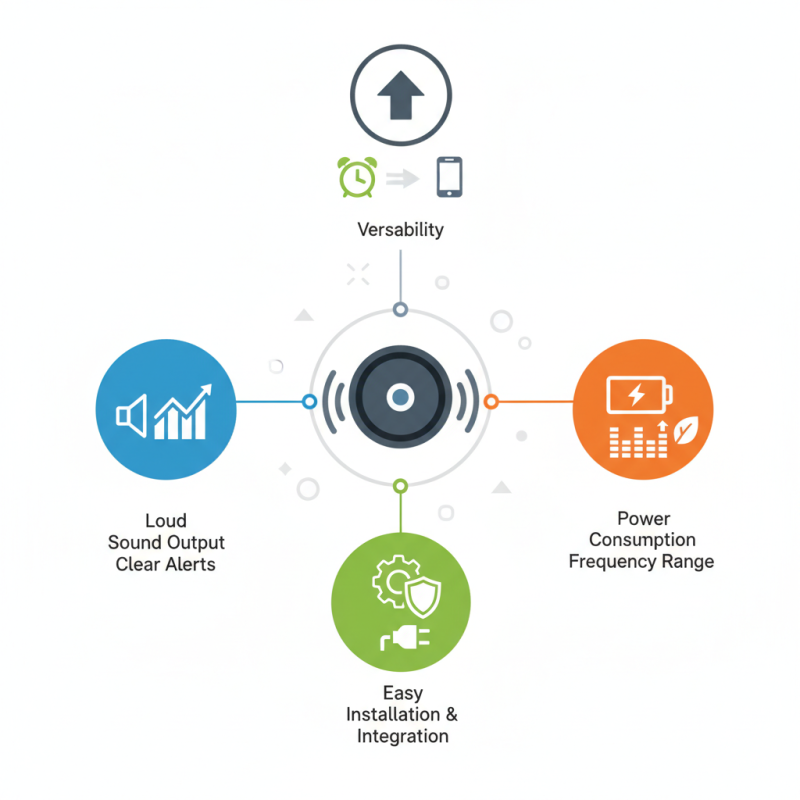
Understanding the B20 Buzzer means recognizing its practical advantages. It offers loud sound output, ensuring that alerts are heard clearly. Designers and engineers appreciate its reliability in crucial moments. However, there is room for improvement in its power consumption. Users often find that while the B20 Buzzer is efficient, it could be even better with advancements in energy usage.
Many choose the B20 Buzzer for its straightforward installation and integration. Yet, some might overlook nuances like frequency range. The right choice can influence performance and response time. A deeper look into these features reveals the B20 Buzzer's true potential. Each aspect contributes to its success in diverse applications, prompting constant evaluation and refinement.
Key Features of B20 Buzzers That Enhance Performance
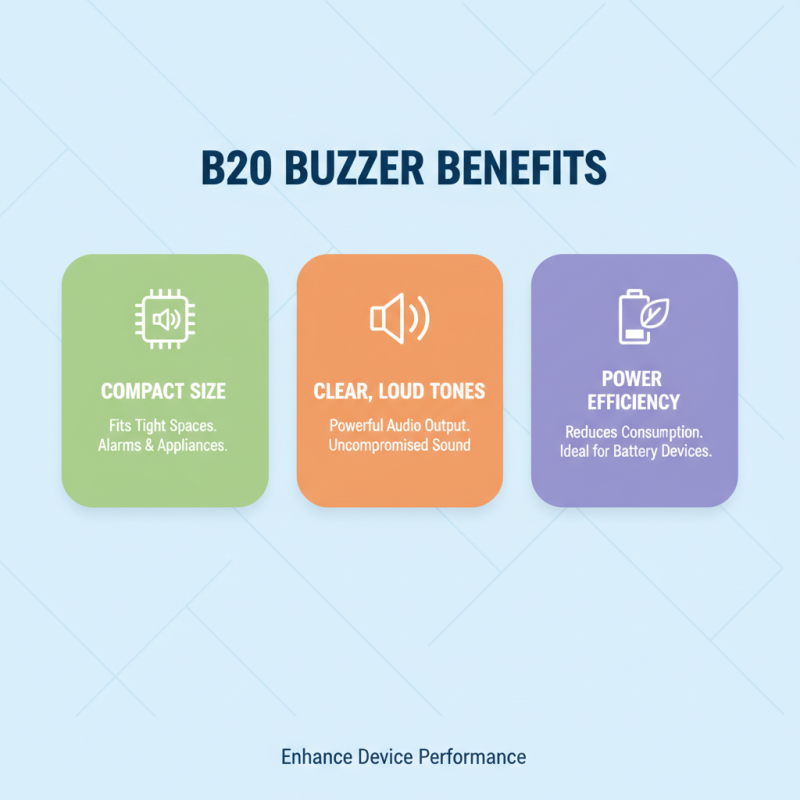
When it comes to B20 buzzers, several key features can significantly enhance performance. The first striking feature is their compact size. This makes them suitable for tight spaces in various devices, from alarms to home appliances. A smaller size does not compromise sound quality, as many B20 buzzers produce clear, loud tones. Additionally, their efficiency helps reduce power consumption, which is crucial for battery-operated devices.
Another important aspect is frequency range. B20 buzzers generally cover a wide frequency spectrum. This characteristic allows them to produce different pitch sounds, beneficial for signaling and notifications. Their durability is also notable. These buzzers are often resistant to temperature changes and moisture, ensuring reliable operation in various environments. However, it’s essential to consider that improper installation can lead to performance issues.
Finally, their simplicity in integration wins many over. They often require minimal components, which can reduce overall cost and complexity. Yet, while user-friendly, it’s vital to follow specifications closely. Overlooking small details can lead to suboptimal performance. Reflecting on these features helps users appreciate just how versatile B20 buzzers can be.
Benefits of Using B20 Buzzers in Various Applications
B20 buzzers have gained popularity across various applications. These small devices emit sound and are often used in electronics, alarm systems, and even toys. The compact size makes them easy to integrate into many products. Users appreciate their reliability and long lifespan, which can be a game changer in design.
In home security, B20 buzzers serve as effective alarms. They provide clear audio alerts, which can deter intruders. This simple addition can enhance safety and peace of mind. In the realm of consumer electronics, these buzzers signal interactions or errors. Their versatility allows manufacturers to create engaging user experiences.
However, not every use case fits perfectly. Some may find the sound intensity too high for certain environments. Feedback from users can help improve designs. It's essential to consider the context in which a B20 buzzer is used. Evaluating specific needs will lead to better integration and satisfaction. Each application offers unique challenges, and successful implementation requires careful thought.
Comparison of B20 Buzzers with Other Types of Buzzers
When comparing B20 buzzers with other types, several distinct features stand out. B20 buzzers are compact yet powerful. They deliver clear and loud sound signals. In contrast, other buzzers might not provide the same intensity or clarity. The B20's design allows for versatility in various applications. It fits well in tight spaces without sacrificing performance.
Tips: Always consider the specific sound requirements for your project. Using the wrong type can lead to poor results. Noise levels vary between buzzer types.
Another advantage of B20 buzzers is their durability. They withstand harsher conditions than many alternatives. While some buzzers may fail in extreme environments, B20s tend to hold up well. However, the installation process can be tricky. Proper fitting is essential to avoid issues later.
Tips: Label your wiring clearly during installation. This will save you from confusion down the line. Additionally, ensure you have the right tools for the job. It can make a significant difference in your overall experience.
Installation and Maintenance Tips for B20 Buzzers
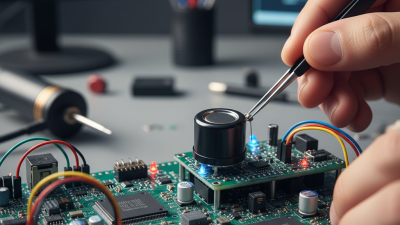
When it comes to B20 buzzers, proper installation and maintenance are crucial to ensuring optimal performance. Start by selecting a suitable location for the buzzer. It should be easily accessible yet protected from the elements. Use mounting hardware that can withstand vibrations and temperature changes. The wiring must be intact and secure, as this affects the buzzer's efficiency.
Regular maintenance is essential to keep the buzzer in top shape. Inspect the connections frequently to prevent any loose wires. Dust and debris can accumulate, impacting functionality. Gently wipe the surface with a soft cloth. Avoid harsh chemicals that could damage the components. If the buzzer fails to respond, check the power supply and connections before considering replacement.
Here are a few tips for better maintenance. Schedule a routine check every few months. This will help catch problems early. Use a multimeter to test voltage levels. If you notice inconsistencies, investigate further. It's better to be proactive than reactive. Sometimes, the simplest solutions can save time and money.
Common Use Cases for B20 Buzzers in Industries
B20 buzzers are widely used across various industries due to their versatility. In manufacturing, they serve as alert systems. Workers receive instant notifications when machines operate beyond safe levels. This feature enhances workplace safety, yet the placement of buzzers must be considered carefully. If positioned poorly, their effectiveness diminishes.
In the electronic consumer market, B20 buzzers act as feedback devices. For instance, they're utilized in household appliances. Users appreciate the sound feedback, but continuous use may annoy some individuals. Manufacturers are encouraged to balance feedback frequency with user experience.
Another common use is in medical devices. B20 buzzers alert staff during emergencies. Quick response can save lives, but inconsistent alerts can lead to confusion. Critical systems must be continuously evaluated for effectiveness and reliability. Overall, the practical applications of B20 buzzers showcase their potential, though challenges remain.
Top B20 Buzzer Features and Benefits