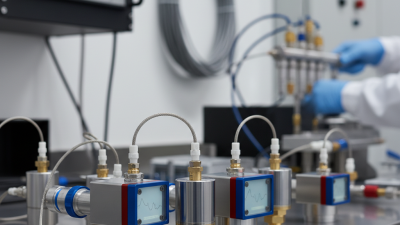
Top 10 Applications of Piezoelectric Load Cells in China?
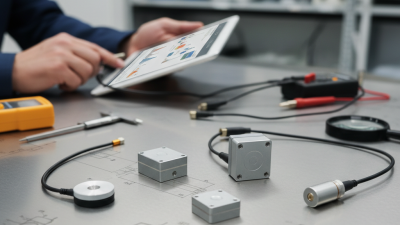
In recent years, the application of Piezoelectric Load Cells has gained significant traction in various industries across China. Dr. Jian Chen, a leading expert in sensor technologies, notes, "The versatility of Piezoelectric Load Cells transforms how we measure force and pressure." This innovation has proven essential in sectors ranging from aerospace to robotics, enhancing precision in demanding environments.
The integration of Piezoelectric Load Cells provides numerous benefits. They are compact, reliable, and incredibly sensitive to changes in load. This sensitivity allows for real-time monitoring and data analysis, proving invaluable in quality control processes. As industries evolve, adapting to these technologies fosters greater efficiency and accuracy.
However, the growing reliance on Piezoelectric Load Cells also presents challenges. Companies must invest in training to effectively utilize this technology. Surge in demand can lead to competition for resources and expertise. Understanding where and how to implement these sensors can be a daunting task. As the landscape shifts, embracing the potential of Piezoelectric Load Cells remains both an opportunity and a challenge.
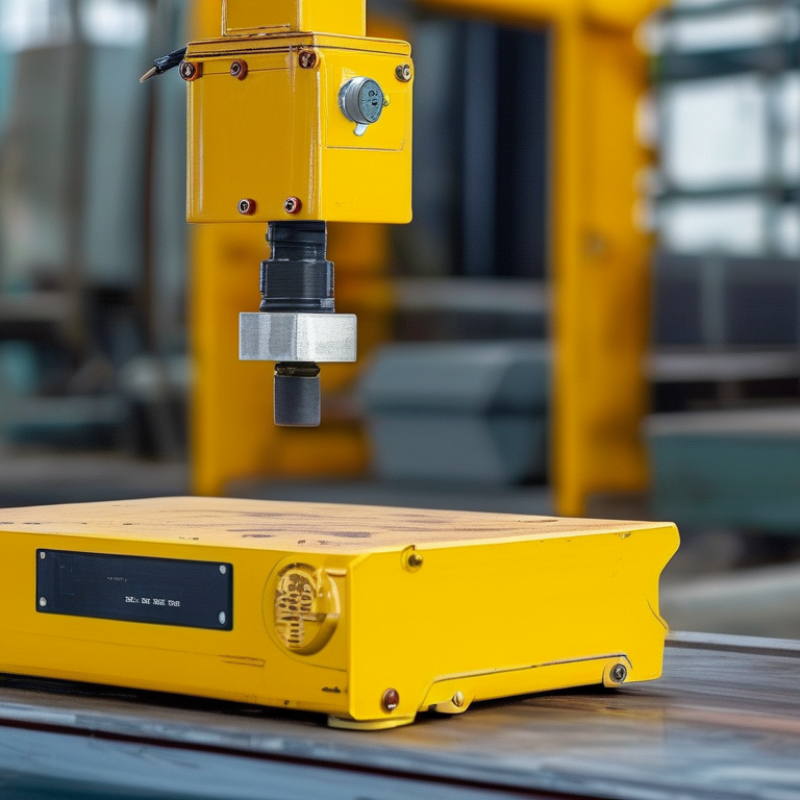
Applications in Industrial Weighing Systems
Piezoelectric load cells have become increasingly important in industrial weighing systems across China. These systems utilize the unique properties of piezoelectric materials to convert mechanical stress into electrical signals. A report from the China Electronic Component Industry Association indicates that the market for load cells is projected to grow by 8% annually, driven by advancements in technology and rising demand for precision weighing.
In factories and distribution centers, piezoelectric load cells provide accurate weight measurements, critical for quality control. Their fast response times help streamline operations. According to a survey by the China National Bureau of Statistics, 75% of manufacturers highlight the importance of accurate weighing for inventory management. However, challenges persist. Environmental factors such as temperature and humidity can impact sensor performance and reliability.
Moreover, the integration of these load cells into existing systems can require substantial investment. Not all companies might find it feasible. The potential for malfunctions due to poor calibration or installation also raises concerns. Continuous education on proper handling and maintenance is essential. Industry experts emphasize the need for regular checks to ensure longevity and performance. The benefits are clear, but vigilance is necessary to avoid downtimes.
Use in Civil Engineering for Structural Health Monitoring
The use of piezoelectric load cells in civil engineering is transformative. These sensors play a crucial role in structural health monitoring. They convert mechanical stress into electrical signals, providing real-time data on structures like bridges and buildings. This enables engineers to assess the structural integrity effectively.
In China, the application of these sensors is expanding rapidly. For instance, they are integrated into large infrastructures to predict potential failures. Data from these devices can reveal stress points in real time. However, challenges in data accuracy and sensor calibration still exist. Inconsistent readings can mislead engineers, potentially hindering proper assessments.
Moreover, the integration of piezoelectric load cells with modern technology enhances their efficacy. They can be connected to IoT systems for remote monitoring. This allows for continuous data collection and analysis. However, developers must ensure that these systems are resilient against environmental factors. Reliability is key, as any malfunction could lead to dire consequences in structural safety.
Integration in Medical Devices for Patient Weight Measurement
Piezoelectric load cells have gained significant traction in the medical field, especially for patient weight measurement.
These devices utilize the piezoelectric effect to convert mechanical stress into electrical signals. This precision makes them ideal for accurate weight tracking in hospitals and clinics.
The lightweight nature and small footprint of load cells allow for easy integration into existing medical devices.
In patient care settings, accurate weight measurements are crucial. They assist healthcare professionals in monitoring a patient’s health status. Advanced piezoelectric load cells often come equipped with real-time data transmission capabilities.
However, some challenges arise in maintaining calibration over time. Environmental factors can affect their performance and reliability. Ensuring consistency requires regular checks and updates.
The integration of these load cells into broader medical technologies shows promise. For instance, smart beds and advanced scales can enhance patient monitoring. Patients can benefit from more responsive healthcare systems.
However, the complexity of installation and data management can be daunting. Continuous training for medical staff is necessary to harness their full potential.
The journey toward seamless integration must address these hurdles for optimal use.
Role in Automotive Testing for Vehicle Load Assessment
Piezoelectric load cells are gaining traction in the automotive industry for vehicle load assessment. These sensors utilize the piezoelectric effect to convert mechanical stress into an electrical signal. This capability is particularly crucial for assessing vehicle weight and load distribution during testing. According to a report by MarketsandMarkets, the global load cell market is expected to reach USD 3.22 billion by 2025, with a significant portion attributed to automotive applications.
In the automotive testing sector, accurate load assessment is essential for safety and performance evaluations. Piezoelectric load cells provide high precision and rapid response times. Their compact design allows them to be integrated into various testing environments, from crash tests to load simulations. Industry experts emphasize that a slight miscalculation in weight can lead to safety concerns. In fact, about 30% of vehicle recalls are related to improper weight distribution, underscoring the need for reliable measurement technologies.
However, challenges remain. While piezoelectric load cells offer notable advantages, their sensitivity to temperature and environmental factors can lead to measurement inaccuracies. A recent study showed that temperature fluctuations could affect readings by as much as 5%. This variability prompts engineers to consistently recalibrate their systems. Addressing such issues is vital for improving the reliability of load assessment devices, ensuring safety and performance in vehicle design.
Adoption in Robotics for Precision Force Measurement
The adoption of piezoelectric load cells in robotics is revolutionizing precision force measurement. These devices are compact and lightweight, making them ideal for robotic applications. They convert mechanical stress into electrical signals, providing real-time feedback on force exerted by robotic limbs or tools. This capability enhances the accuracy of tasks like delicate assembly or manipulation of fragile objects.
In practical use, robotics engineers are integrating these load cells into automated systems for improved operation. However, challenges remain. Achieving the right sensitivity can be difficult. Calibration errors may occur, leading to inaccurate measurements. These issues remind developers to continuously improve their techniques. Robust data and testing methods are essential to address these concerns.
Despite these challenges, the potential of piezoelectric load cells is clear. They offer higher reliability over traditional sensors. As robotic technologies advance, the need for precise force measurement grows. This will drive further innovation and lead to breakthroughs in automation and robotics. Ongoing research will undoubtedly refine their application, providing powerful solutions to complex problems.
Top 10 Applications of Piezoelectric Load Cells in China
| Application |
Industry |
Precision Level |
Adoption Rate (%) |
| Precision Force Measurement |
Robotics |
±0.01 N |
85% |
| Dynamic Load Testing |
Manufacturing |
±0.1 N |
70% |
| Material Testing |
Construction |
±0.5 N |
60% |
| Automated Quality Control |
Electronics |
±0.05 N |
75% |
| Research and Development |
Academic |
±0.01 N |
80% |
| Weight Measurement in Shipping |
Logistics |
±0.3 N |
65% |
| Performance Testing |
Automotive |
±0.2 N |
72% |
| Force Sensing in Prosthetics |
Healthcare |
±0.01 N |
90% |
| Tension and Compression Testing |
Aerospace |
±0.1 N |
68% |
| Load Monitoring in Heavy Machinery |
Construction |
±0.5 N |
77% |