2026 Top Tiny Buzzer Innovations and Trends in Technology?
In 2026, the Tiny Buzzer technology is expected to revolutionize industries. Tiny Buzzers offer compact solutions for applications like smart home devices, wearables, and automotive systems. According to industry reports, the global market for micro-buzzer technology is projected to reach $1.5 billion by 2027. This growth is driven by increasing demand for miniaturized electronic components. Unique sound capabilities of Tiny Buzzers meet diverse consumer needs.
The 139th Canton Fair, a major trade event, will showcase innovations including Tiny Buzzers. Set for April and May, it highlights advanced manufacturing and electronics. Implementing AI features enhances sourcing efficiency. Buyers can identify qualified suppliers quickly, improving the supply chain process. However, there are challenges. Manufacturers must focus on quality while meeting high demand. Balancing innovation and reliability is critical.
As technology evolves, the role of Tiny Buzzers will expand. Their tiny size does not limit their impact. The challenge lies in differentiating offerings in a saturated market. Continuous research and development are essential for staying competitive. This evolution invites reflection on manufacturers' responsibilities to consumers. A commitment to quality drives industry growth and customer satisfaction.

Emerging Technologies Driving Tiny Buzzer Innovations in 2026
In 2026, the tiny buzzer market is expected to experience significant innovations driven by emerging technologies. Reports indicate a projected growth rate of over 15% throughout the next five years.
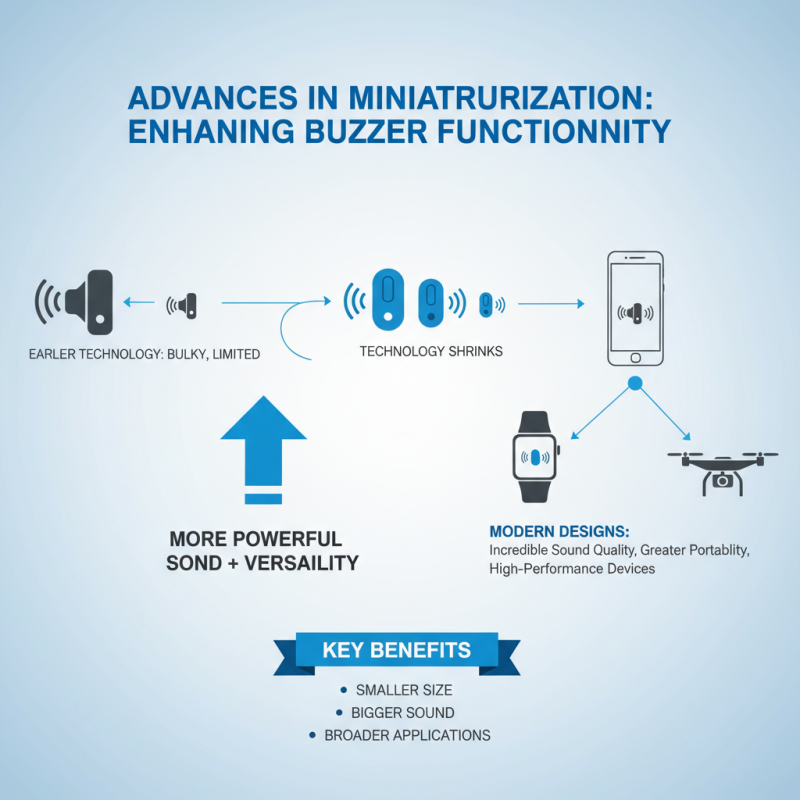
Miniaturization is at the forefront of these advancements. As devices shrink, the demand for ultra-compact buzzers rises. The integration of MEMS (Micro-Electro-Mechanical Systems) technology is crucial here. MEMS buzzers are lighter and more energy-efficient. They will soon dominate applications in wearables and IoT devices.
Another key driver is the shift towards smart home technology. Home appliances are becoming increasingly interconnected. This trend creates a need for compact, reliable sound indicators. Reports highlight that nearly 60% of consumers prefer smart devices with integrated notifications. Buzzer innovations must focus on sound quality and responsiveness. However, challenges remain. Many designs fail to provide adequate audio clarity. Addressing this issue is essential for future developments.
Additionally, sustainability is becoming a necessary consideration. Eco-friendly materials and manufacturing processes are gaining traction. Emphasis on recycling components is critical. Yet, achieving this without compromising performance is complex. Engineers are continually experimenting with materials and designs. The future of tiny buzzers relies on striking this balance effectively.
Key Trends Shaping the Future of Tiny Buzzers in Various Industries
The tiny buzzer market is experiencing rapid innovation. These small devices are becoming essential in various sectors. They are not just making sounds; they are evolving with technology.
One significant trend is the advancement in connectivity. Tiny buzzers are now integrating with smart devices. This allows them to provide real-time feedback. For example, in healthcare, buzzers alert patients when it's time for medication. In the automotive sector, they can warn drivers of potential hazards. This connectivity enhances efficiency but raises concerns about reliability.
Another notable trend is the focus on energy efficiency. Many industries are pushing for sustainable solutions. Buzzers are adapting by consuming less power and extending battery life. However, some designs sacrifice sound quality for energy savings. This may require further improvements and adjustments. Finding a balance between sustainability and performance remains a challenge. The future of tiny buzzers is bright but still requires thoughtful consideration.
Smart Integration: IoT and Its Impact on Tiny Buzzer Applications
The rise of IoT has transformed tiny buzzer applications. These compact devices connect seamlessly to smart systems. They enhance functionality in home automation, healthcare, and security. Tiny buzzers now respond intelligently to environmental changes. For example, a tiny buzzer can alert homeowners of door openings or temperature fluctuations. This interaction creates a more efficient living space.
Tips for integrating tiny buzzers include planning for placement. Consider where the buzzer will have the most impact. Ensure it aligns with your IoT network. Check the compatibility with existing devices. This forethought avoids potential connectivity issues.
Despite the innovations, challenges remain. Users sometimes struggle with setup and integration. The technology can be complex for non-experts. Ensure clear instructions accompany the devices. Regular updates can improve performance. Users will benefit from a more stable experience. Reflect on user feedback for ongoing improvements. These steps can help unlock the full potential of tiny buzzers in IoT.
2026 Trends in Tiny Buzzer Innovations and IoT Integration
Sustainability in Design: Eco-Friendly Materials for Tiny Buzzers
The tiny buzzer industry is evolving, focusing on sustainability. Eco-friendly materials are at the heart of these innovations. Designers are experimenting with biodegradable plastics. These materials can break down naturally when discarded. It reduces waste and lessens environmental impact.
Another focus is on recycled components. Using existing materials is a step towards circular design. This trend keeps resources in use and reduces the demand for new materials. However, challenges remain. The performance of recycled materials can vary. Consumers may worry about durability. It is crucial to address these concerns while promoting sustainable choices.
Many companies explore alternative materials like organic compounds. These options can be less harmful to the environment. However, the sourcing process needs to be transparent. Transparency builds trust. As we move toward a greener future, each step counts. There’s room for improvement, and the industry must keep pushing boundaries.